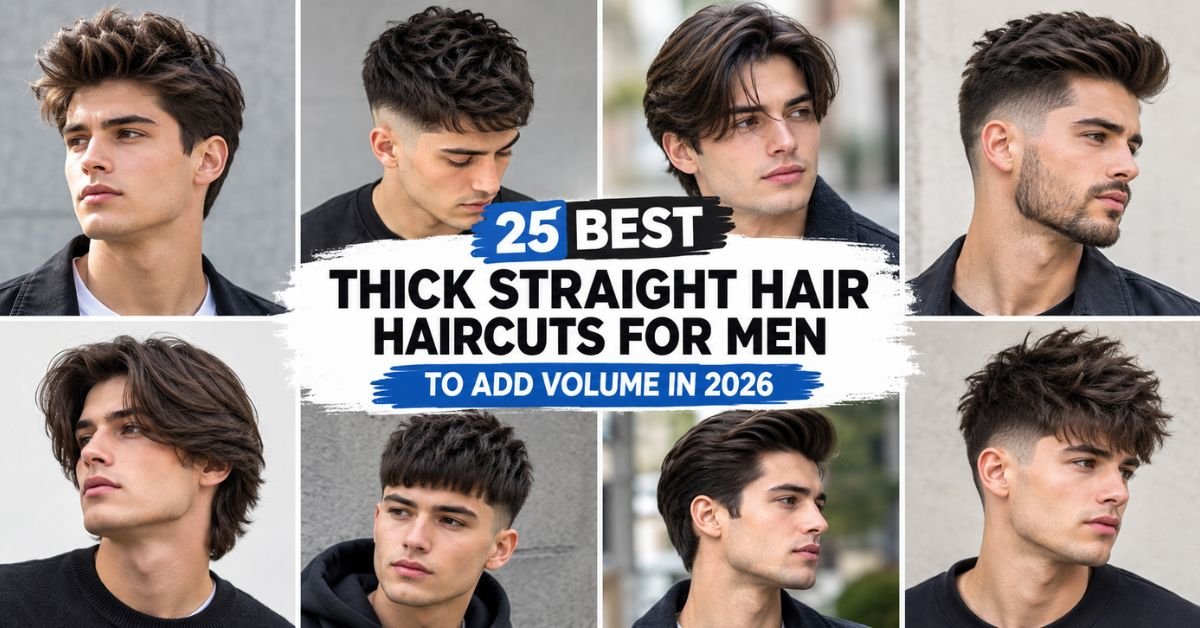
25 Best Thick Straight Hair Haircuts for Men to Add Volume in 2026
Thick hair can feel like a lot to manage. It grows fast. It pushes outward instead of lying flat. And the wrong cut can turn a full head of hair into a heavy, shapeless mess within weeks. But here’s the good news: thick straight hair men actually have an advantage most guys with fine hair would kill for. You just need the right cut to use it.
This guide walks through the 25 best thick straight hair haircuts for men heading into 2026. Best Thick Straight Hair Haircuts for Men You’ll find short, medium, and long options. You’ll learn which cut fits your face shape. And you’ll pick up real styling advice you can use the next time you sit in a barber’s chair. Let’s get into it.
What Makes Thick Straight Hair Different?
Thick straight hair isn’t just “a lot of hair.” It comes down to two things: hair density and hair thickness. Density means how many strands grow per square centimetre of scalp. Thickness means how wide each individual strand is. When both numbers run high, you get serious hair volume, and that volume behaves differently than medium length hair or fine hair ever will.
That density creates two real problems. First, bulk piles up fast, especially around the sides and back of the head. Best Thick Straight Hair Haircuts for Men A cut that looks sharp on day one can turn heavy and shapeless in three weeks flat. Second, coarse hair resists direction. It wants to stick outward, not lie flat, which makes some styles tough to hold without the right foundation underneath. The upside is huge, though. Once a barber removes weight in the right spots through layered cut techniques and texturing, that raw density turns into clean shape and natural volume that lasts. Thick strands hold their form better than any other hair texture once you get the internal weight distribution right.
Best Thick Straight Hair Haircuts for Men
Below you’ll find 25 of the best thick hair haircuts for men available right now, ranked loosely from short and low-effort to longer, more styled looks. Each one works with straight hair, not against it, and each includes what to say when you sit down in the chair.
Textured Crop
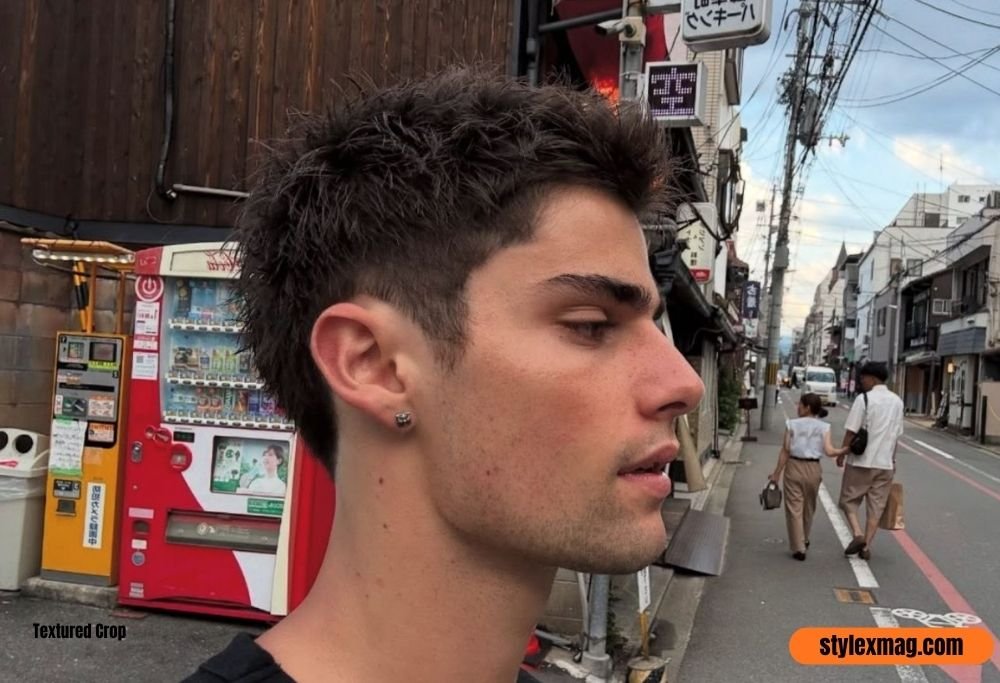
The textured crop remains one of the most requested straight haircuts for men with dense hair. It pairs a skin fade or tapered sides with two to three inches of choppy, point-cut length on top. The chopped layers strip out bulk without losing coverage, and the disconnection from the sides keeps everything sharp for four to five weeks. Tell your barber to point-cut rather than blunt-cut the top, since that one detail avoids the dreaded helmet look. Best suited to oval, square, and heart face shapes, and low to medium on the daily maintenance scale.
Read More: 25 Best Thin Straight Hair Haircuts For Men to Add Volume in 2026
French Crop
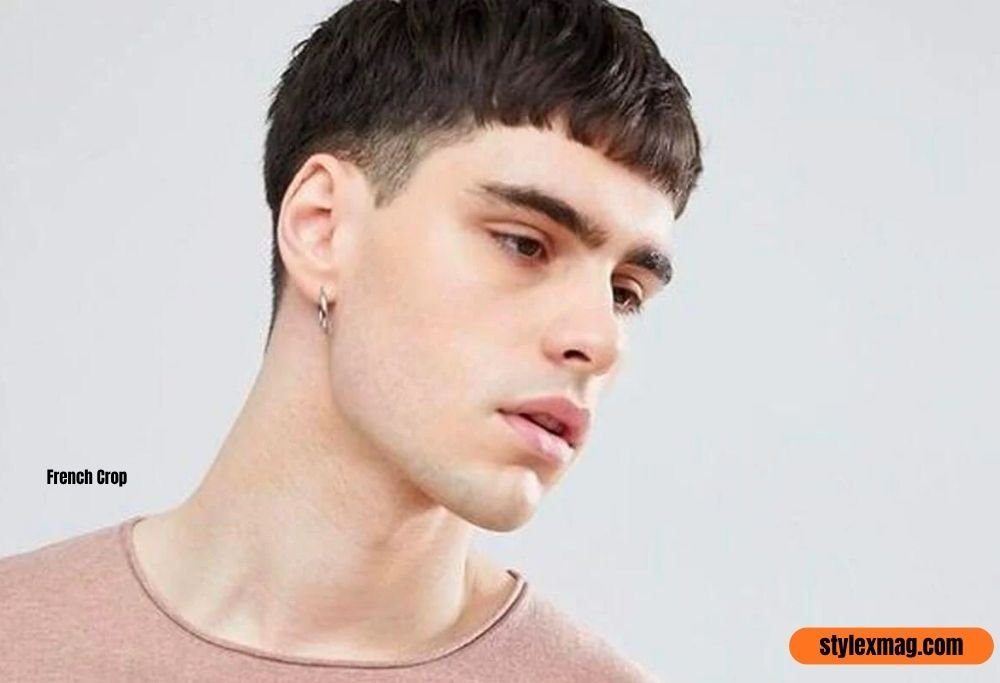
Think of the French crop as the textured crop’s more structured cousin. It adds a defined, forward-falling fringe over tapered or faded sides. This one works particularly well on thick straight hair because the fringe uses that natural density as an advantage rather than a burden. Gravity does most of the styling work here, so mornings stay quick. It suits oval, oblong, and diamond faces best, and needs only a light matte pomade to hold its shape through the day.
Side Part
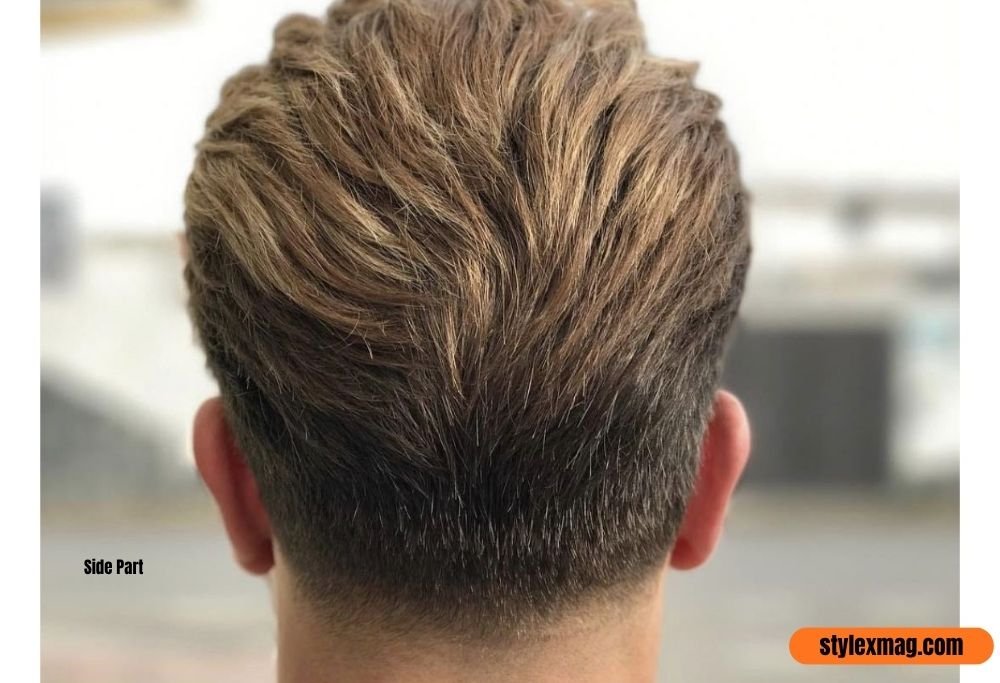
A side part remains one of the cleanest options for men’s thick hair hairstyles. The parting line creates a natural channel that redirects volume away from the centre of the head, which stops the top from ballooning outward. A matte finish product keeps the shape controlled without the greasy shine that dates this cut fast. It flatters oval, round, and heart faces, and pairs well with a low or tapered sides finish underneath.
Modern Quiff
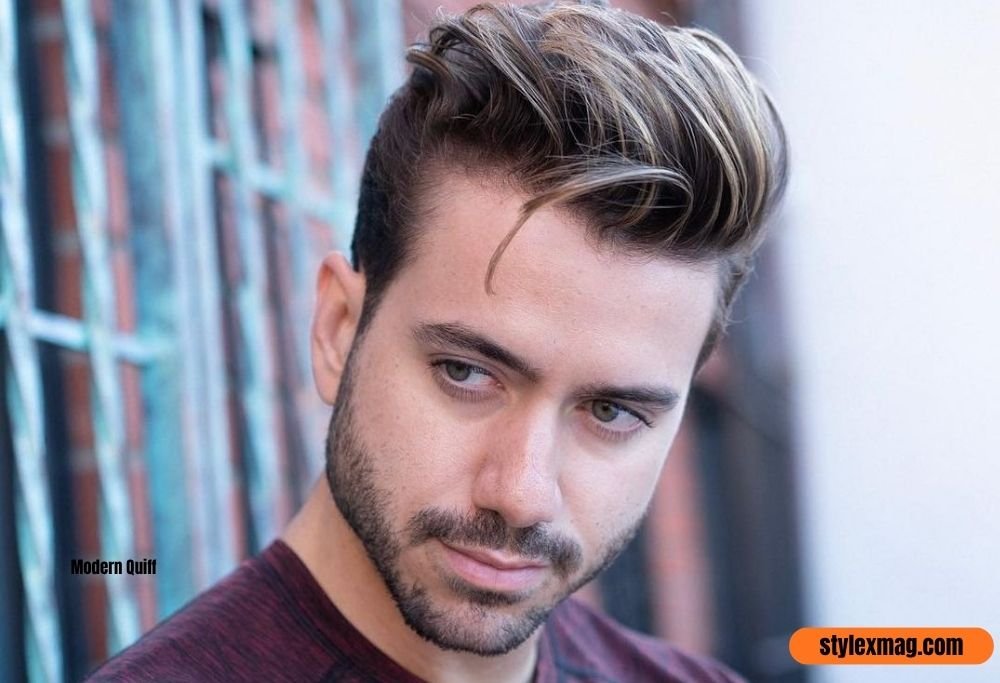
Thick straight hair was practically built for a quiff for thick straight hair. The density holds front volume all day without collapsing, which is a constant battle for guys with fine hair. The trick lies in the graduation: length should decrease steadily from front to crown rather than dropping off suddenly. Ask for a mid or high fade with four to five inches at the front, tapering down to two inches near the crown, plus texturing through the top so it doesn’t sit too heavy to lift.
Pompadour
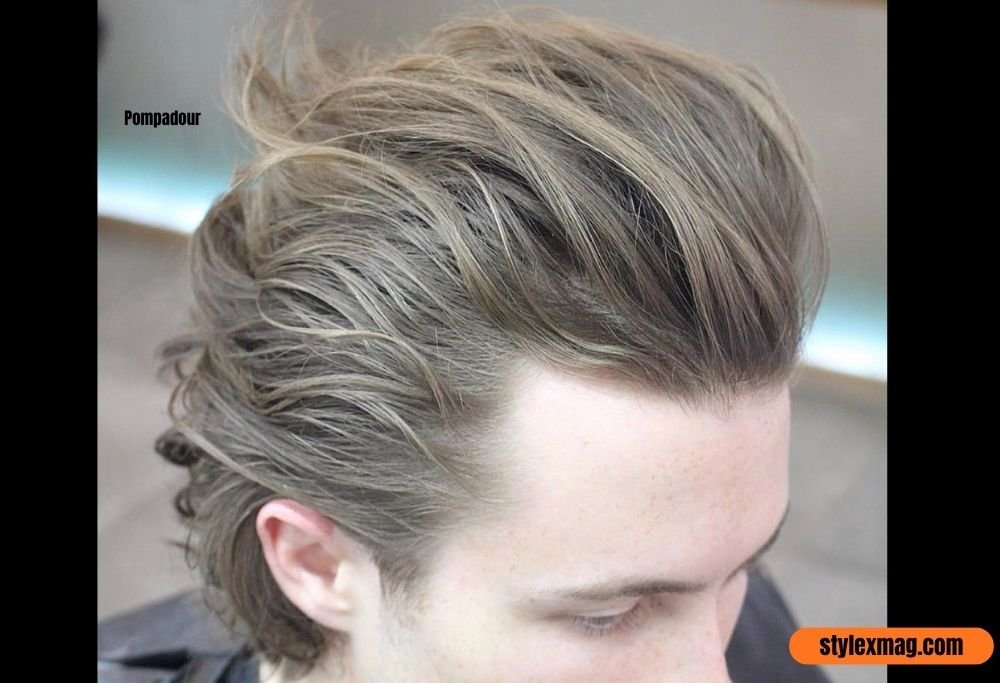
A proper pompadour for thick hair genuinely needs density to work. Without enough of it, the front section deflates within an hour. Thick, straight strands hold that lift all day with nothing more than a blow dryer and a medium-hold product. Keep the sides tight, whether that means a taper haircut for thick hair or a full fade, to sharpen the contrast against the height on top. This one suits oval, oblong, and square faces especially well.
Slick Back
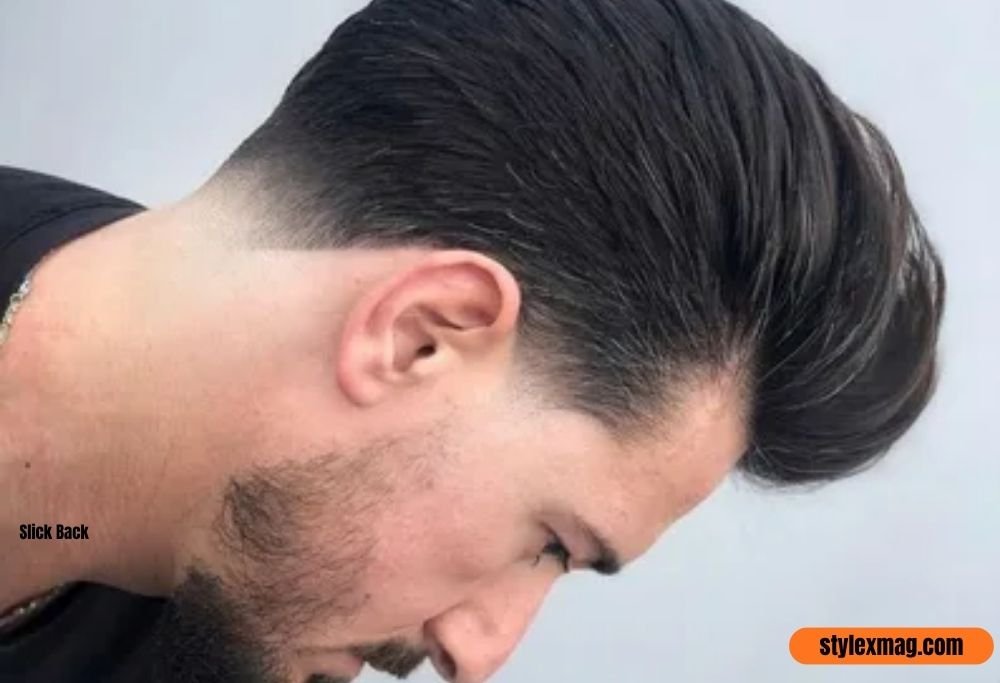
Slick back thick hair creates a dense, sculpted look that fine hair simply can’t replicate. The fullness at the crown, where thinner-haired guys often develop flat spots, stays rounded and full here. Choose a high-shine pomade for a traditional finish, or a hair clay for something more modern and matte. This look works nicely on oval, diamond, and heart faces, and pairs naturally with a low fade thick hair treatment on the sides.
Buzz Cut
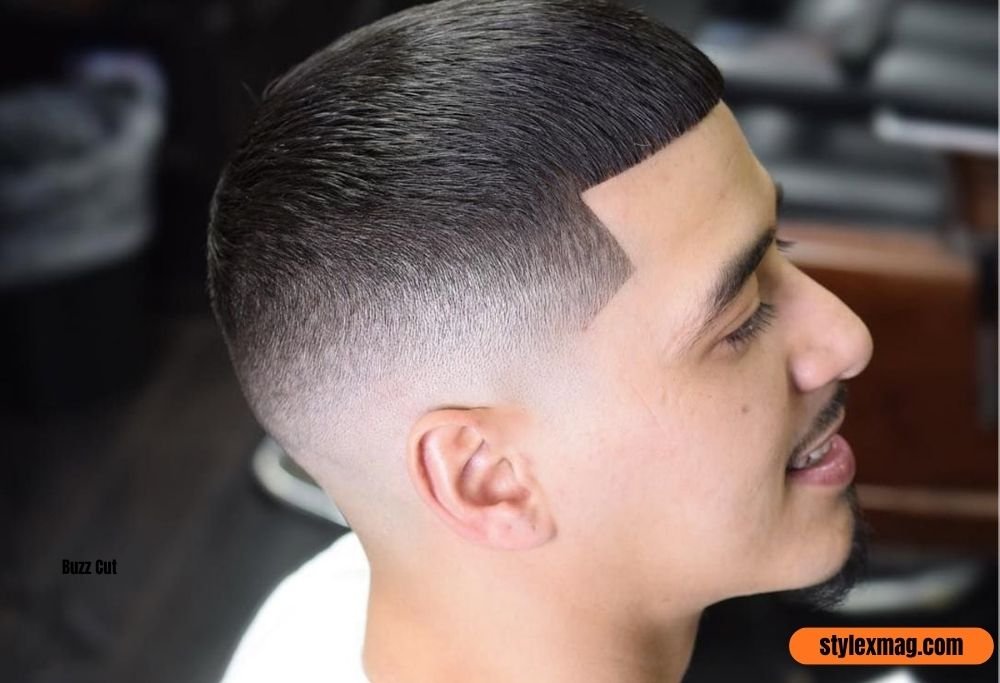
The buzz cut solves every thick-hair headache in a single appointment. No bulk. No styling. No products required. For guys tired of fighting their hair every single morning, this is the full reset button. Adding a skin fade on the sides gives it more shape than a flat, uniform buzz would on its own, and it suits pretty much every face shape without exception.
Read More: 30 Best Surfer Haircut Men Styles for a Cool Beach Look in 2026
Crew Cut
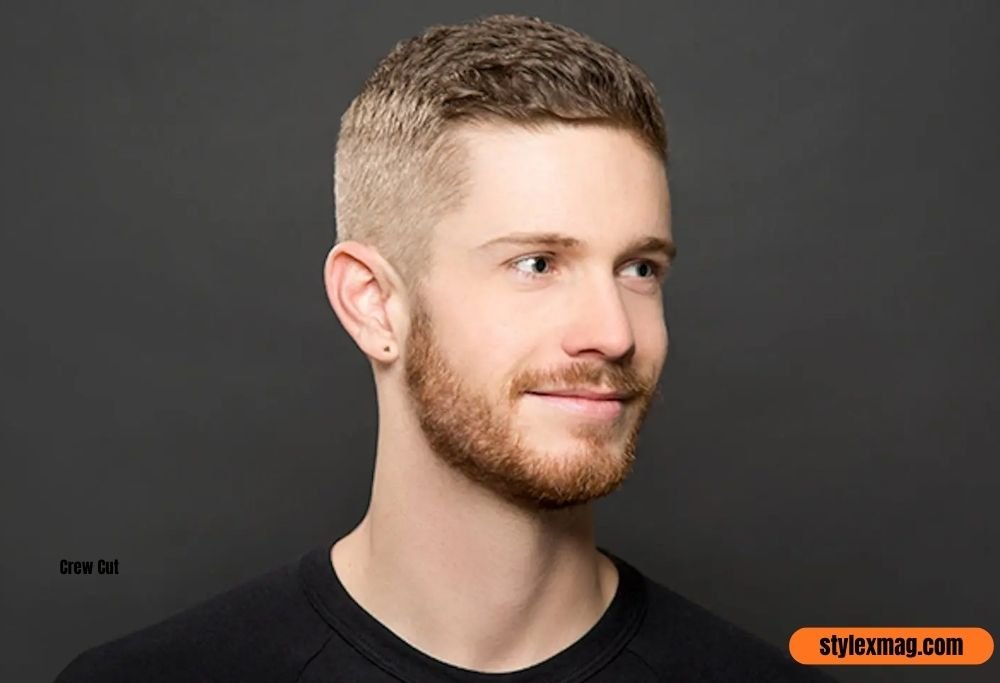
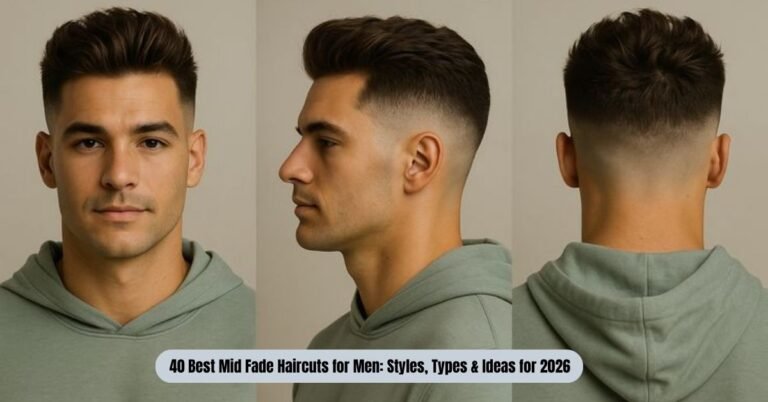
A crew cut takes the buzz cut and adds just enough length at the front to actually style. On coarse hair, that front section holds a slight lift even without product, giving it more personality than it has on finer hair types. Expect to book a trim every three weeks to keep the shape crisp. Pair it with a mid fade thick hair finish on the sides for a clean, professional look.
Ivy League
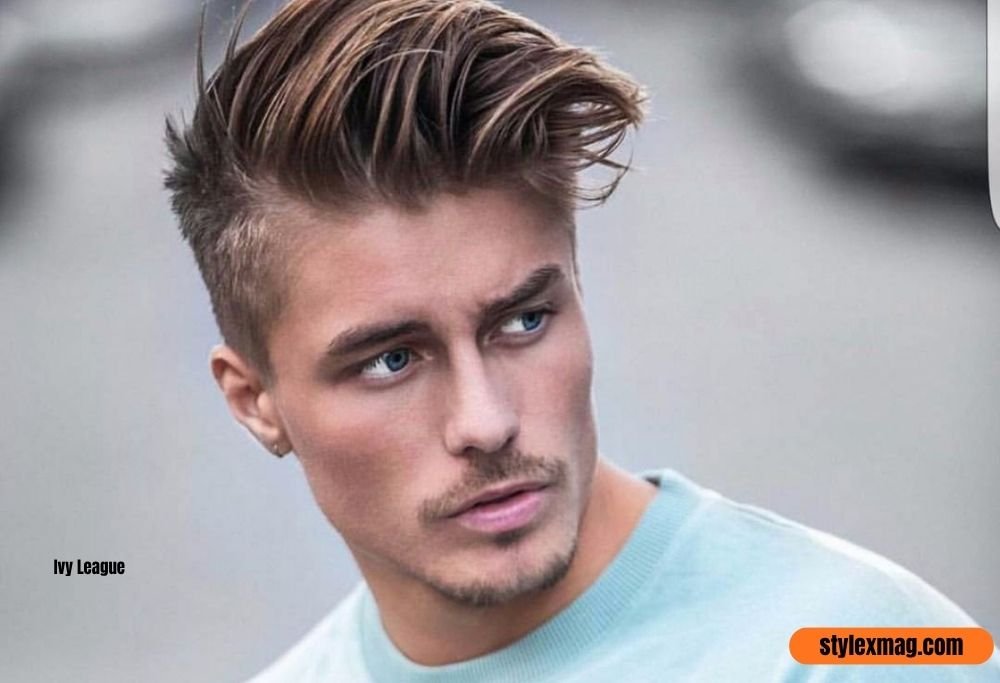
The Ivy League gives thick-haired men the polish of a side part without the daily maintenance of longer styles. The top runs long enough to direct with a comb, yet short enough that it skips the blow-dry entirely most mornings. It’s a strong pick for anyone in a formal workplace who wants a minimal routine, and it suits oval, oblong, and heart-shaped faces.
Undercut
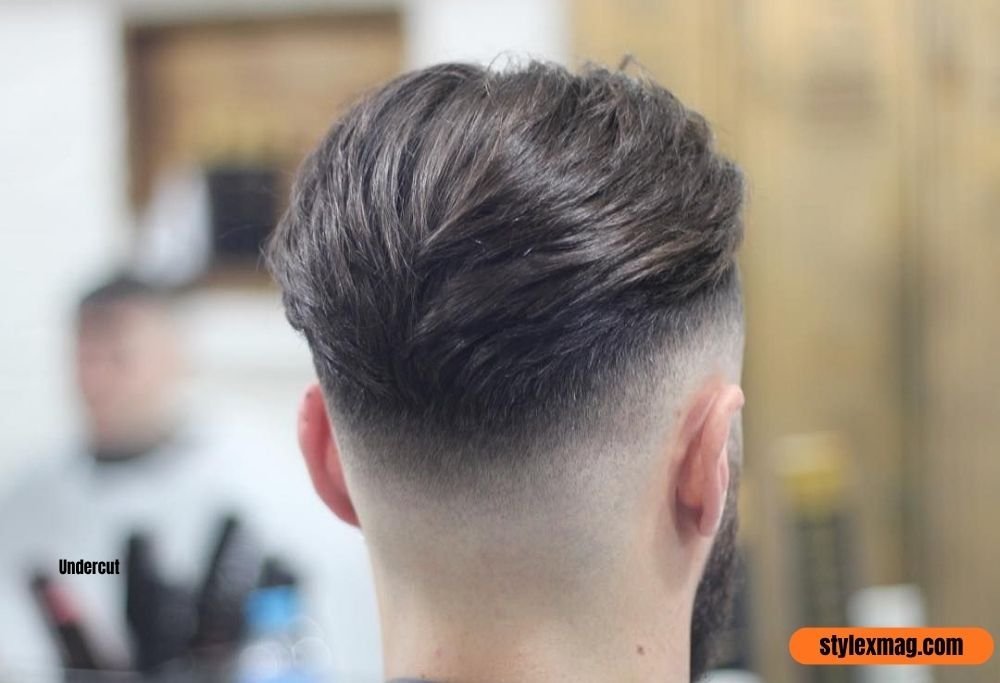
An undercut for thick hair strips all the bulk from the sides in one move. On dense, straight strands, that creates dramatic contrast between a full top and razor-clean sides. Because the disconnection leaves no blend, it grows out less gracefully than a fade, so plan on visiting your barber every three to four weeks. This cut favours oval, square, and round face shapes.
Taper Fade
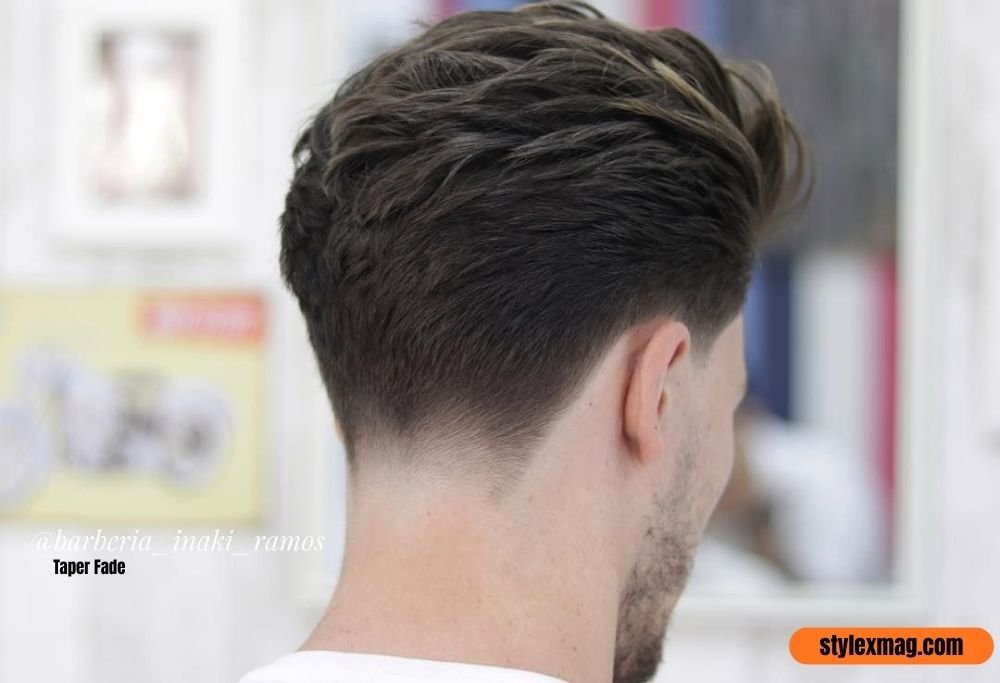
A taper haircut for thick hair isn’t really a standalone style. It’s a side treatment that improves almost any haircut on this list. The gradual transition avoids the blocky, boxy look that thick-haired guys often complain about after a basic scissor cut. Ask specifically for a low fade thick hair finish if you want subtlety, or a mid fade thick hair look for more visible contrast.
Read More: Long Hairstyles for Men: 35 Best Styles for Every Hair Type
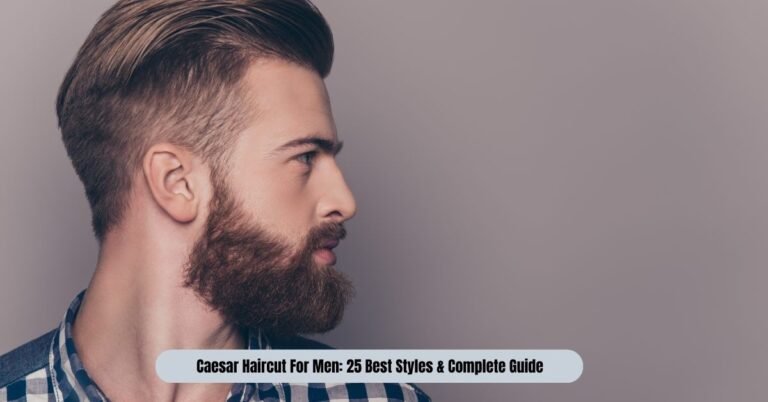
Caesar Cut
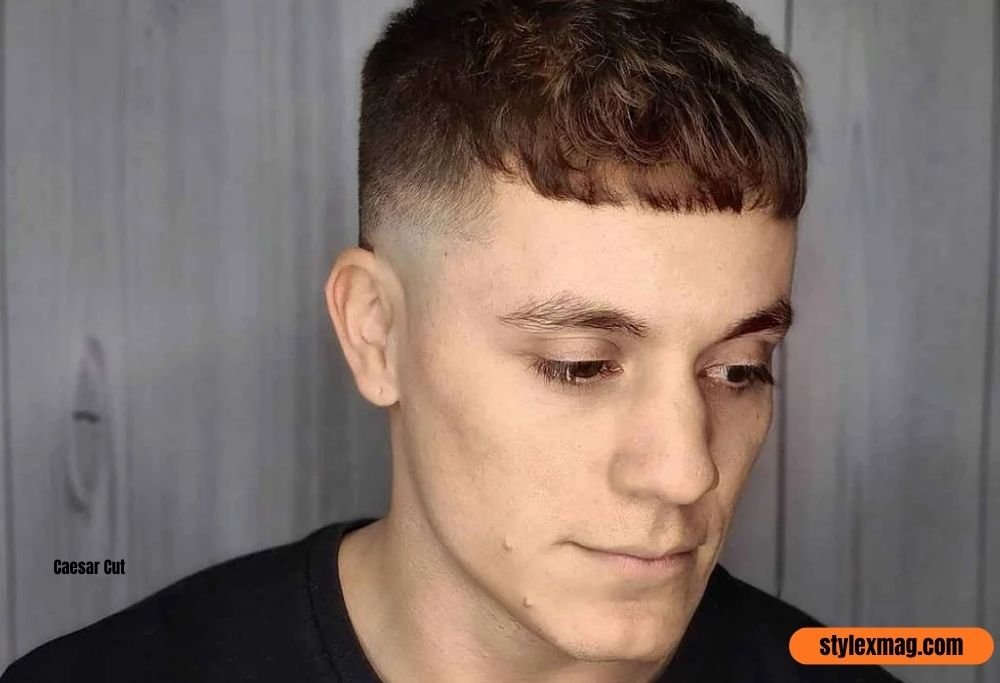
A Caesar cut keeps thick straight hair contained without stripping away too much length. The short, straight-cut fringe sits flat against the forehead, which stops the top from sticking upward, a common frustration at shorter lengths. This one ranks among the easiest short haircuts for thick hair to maintain between barber visits, and it suits oval, round, and square faces.
Angular Fringe
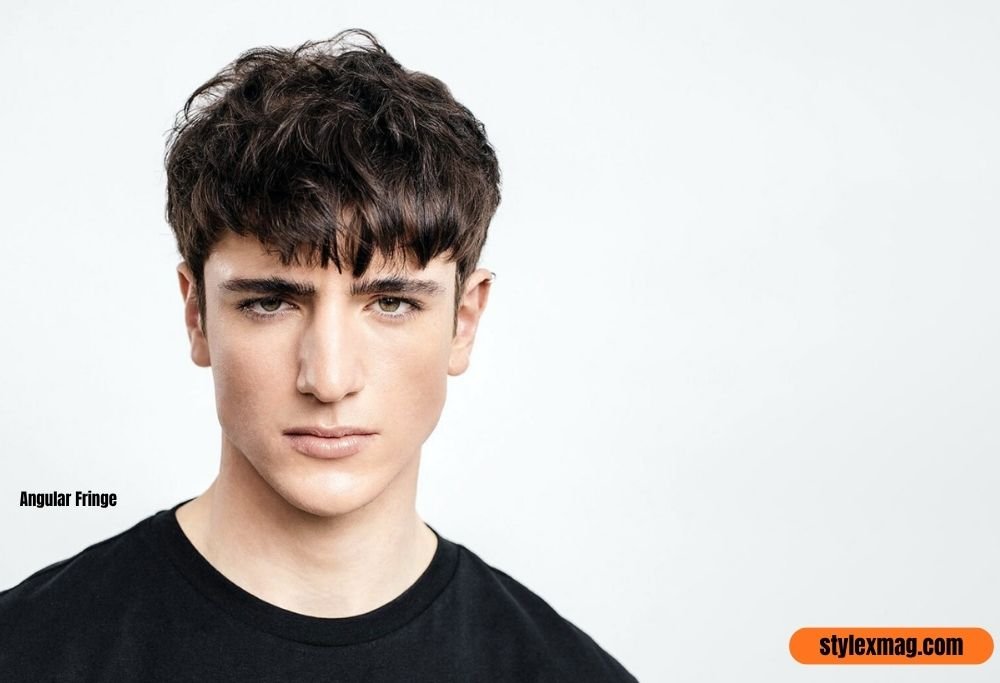
An angular fringe uses hair density to build a strong diagonal line across the forehead. On fine hair, this kind of fringe looks sparse and thin. On thick straight hair, it forms a solid, intentional shape instead. The asymmetry also breaks up any roundness that builds up on top, and it flatters round, square, and heart face shapes especially well.
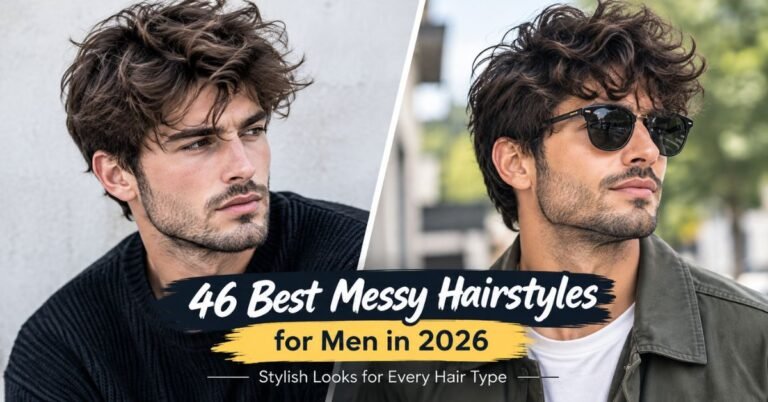
Messy Top with Fade
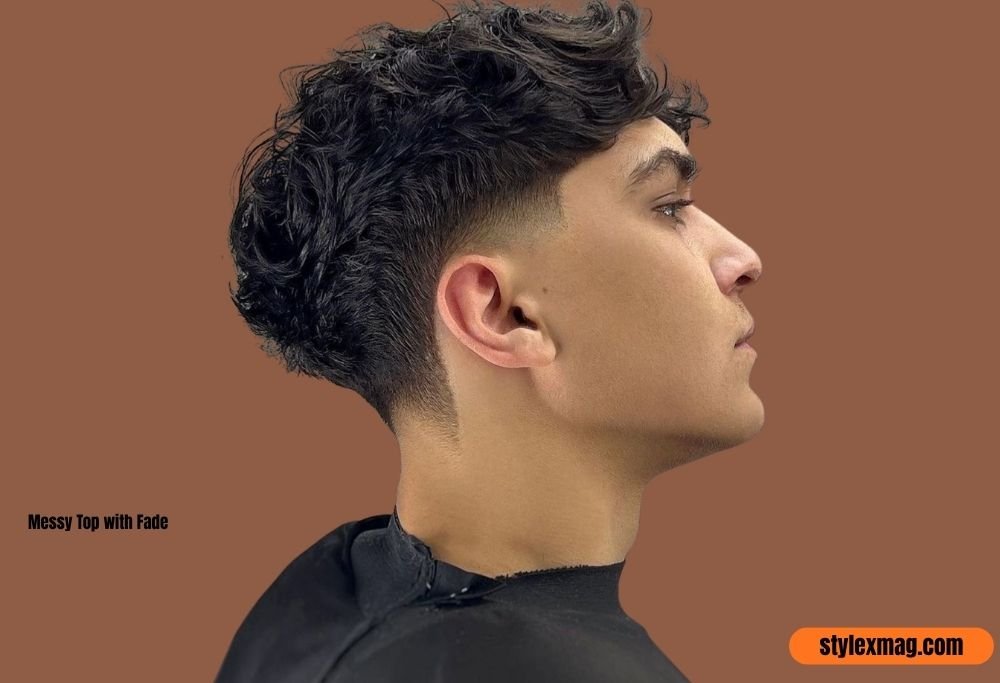
This style leans into natural volume rather than fighting it. The top gets left intentionally imperfect, pushed in different directions with a matte product, while faded sides keep the overall shape under control. It works best for guys who want something that looks effortless rather than polished, and it suits oval, round, and diamond faces.
Classic Taper
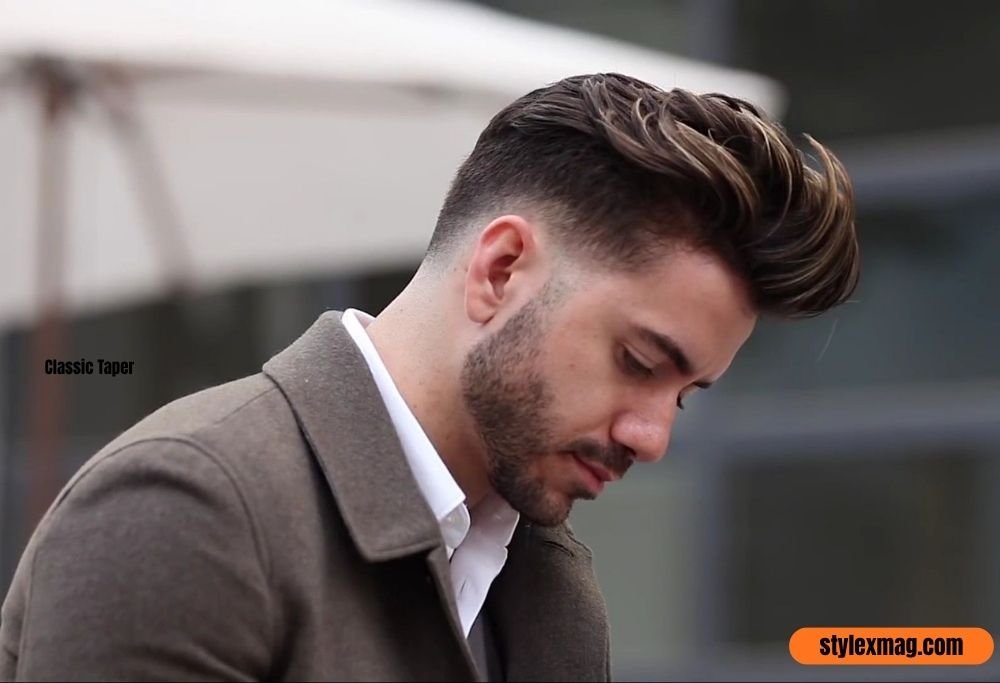
The classic taper is the safest option on this whole list. No skin shows on the sides, so it grows out gracefully and only needs a trim every four to five weeks. It’s a strong starting point for any thick-haired man who’s never had a proper barber consultation before chasing a trendier cut. This one works on every single face shape without exception.
Textured Mid-Length Hair
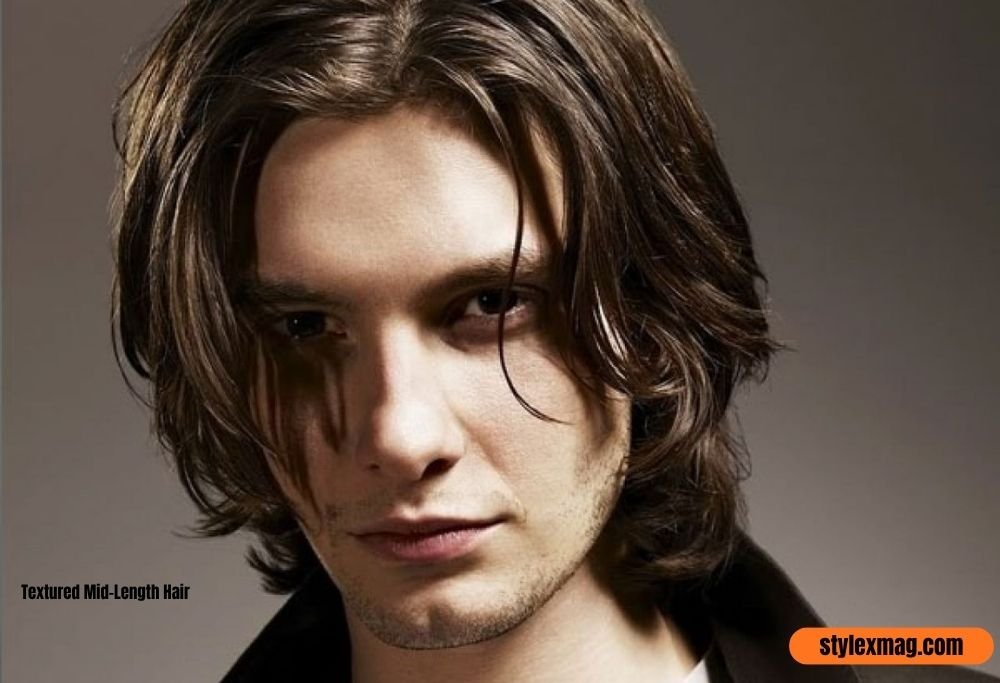
Medium hairstyles for thick hair are picking up serious momentum in 2026 as men move away from ultra-short fades. This style runs four to six inches all over with heavy layering and texturing. The layers stop weight from pooling at the ends, which is usually the reason longer cuts fail on this hair type. Expect to reach for a sea salt spray and a blow dryer most mornings to get the best shape.
Curtain Fringe
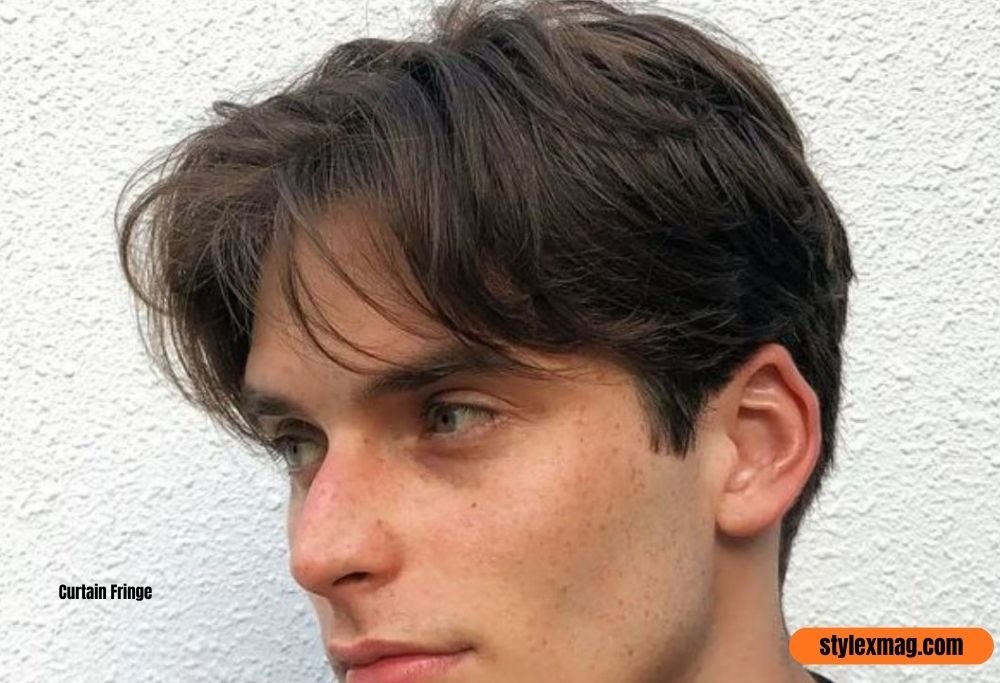
The curtain fringe has moved from a niche trend into mainstream barbershops. Thick straight hair gives this fringe the density it needs to split cleanly down the centre without visible gaps. The part trains itself naturally after a few weeks of blow-drying in the right direction. It suits oval, round, and heart faces best.
Burst Fade with Textured Top
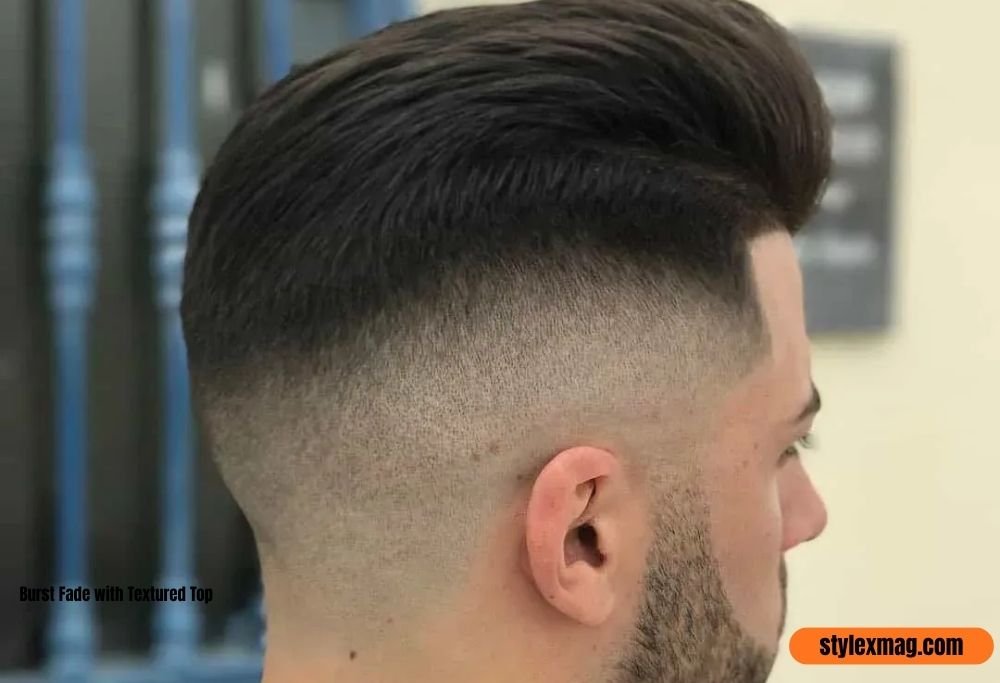
A burst fade thick hair style curves the fade around the ear instead of running it in a straight line. On dense hair, that rounded transition looks smoother, since the thickness fills in patchy spots that thinner hair often shows near the ear. Pair it with a textured top for a casual, modern finish. It works well on round, oval, and square faces.
Modern Mullet
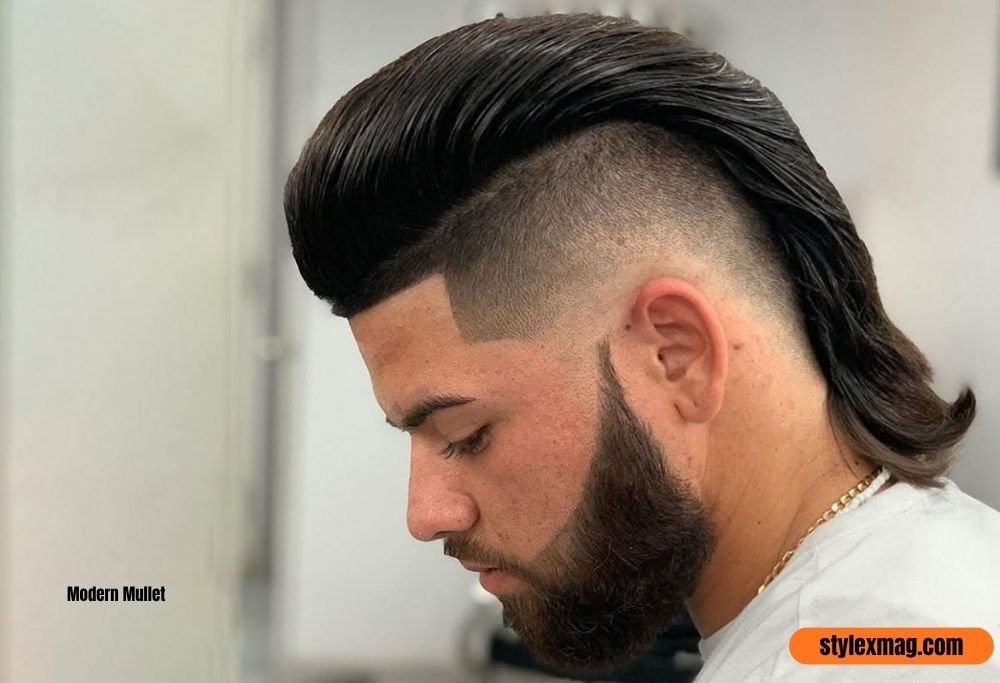
The modern mullet has built steady momentum since 2024 and remains strong through 2026. Thick, straight strands give the back section the weight and movement it needs, since fine hair tends to look thin and stringy at mullet length. Keep the top textured and the sides faded to separate this from its retro predecessor. It suits oval, diamond, and oblong faces.
Disconnected Pompadour
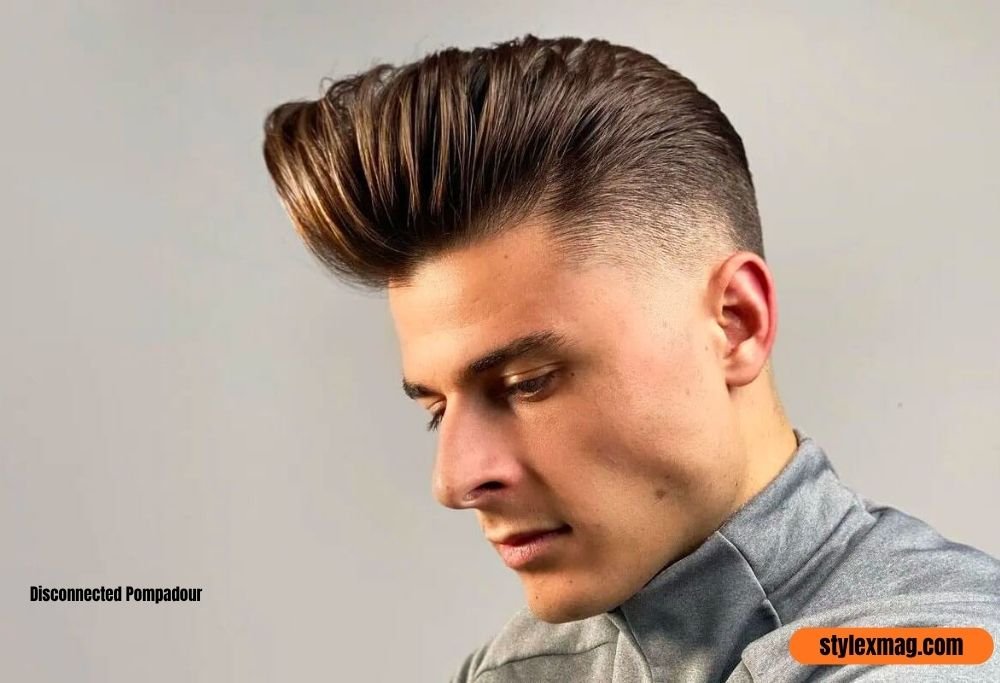
This one takes the classic pompadour for thick hair and adds a hard line between the top and sides. Thick, straight hair holds the volume without needing excessive product, so a blow-dry and a medium-hold clay usually does the job. It demands clean sides, so budget for barber visits every two to three weeks. It suits oval, square, and round faces.
Textured Fringe with Taper
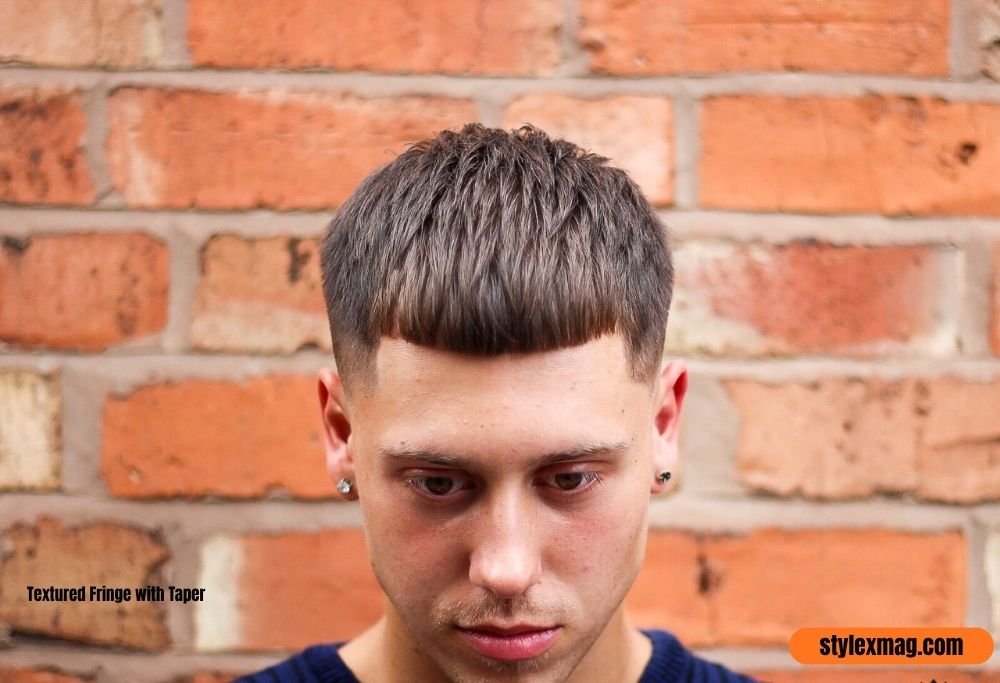
A textured fringe with taper takes a shorter, choppier fringe than the curtain or angular versions and pairs it with a soft taper instead of a hard fade. This keeps things versatile enough for a corporate office while still giving off a modern, textured feel. It flatters oval and square faces, and it’s genuinely one of the easiest textured haircuts for men to maintain between appointments.
Brush Up with Low Fade
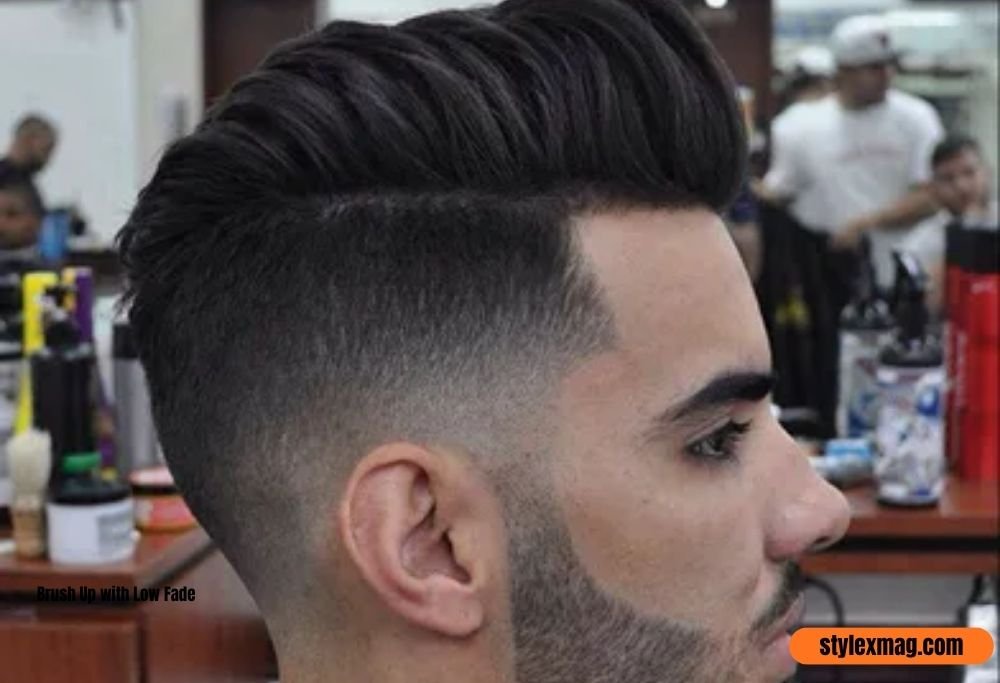
Unlike a quiff, which sweeps to one side, a brush up pushes the top straight up in a vertical direction. A low fade thick hair finish keeps all the visual focus on that upward brush. Thick strands hold this vertical push far longer through the day than fine hair ever could. It suits round and square faces particularly well.
Long Layered Hair
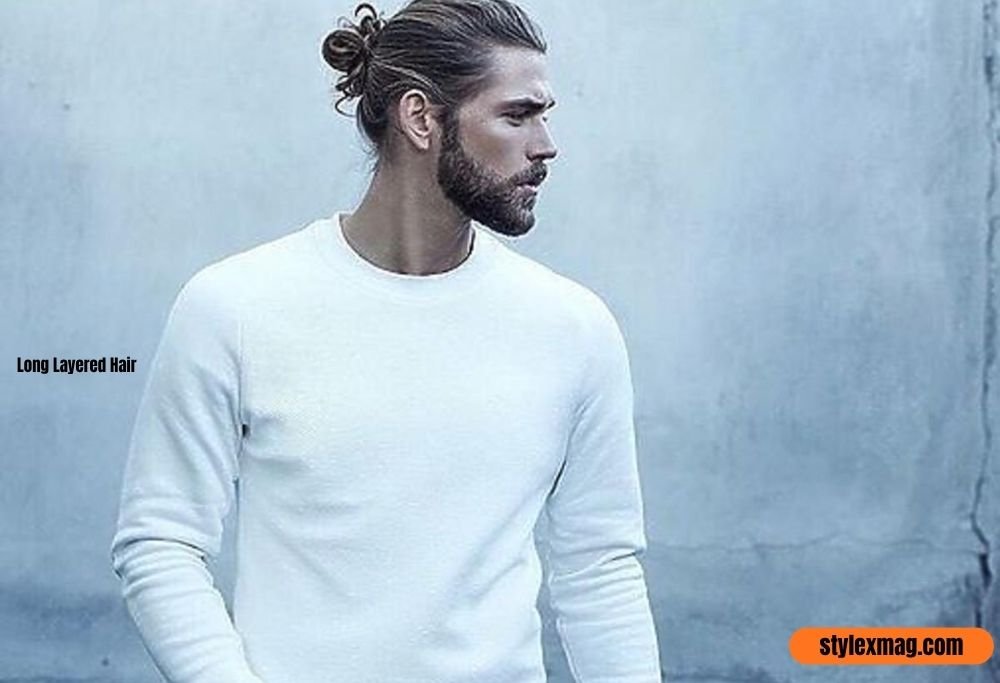
For guys chasing long hairstyles for thick straight hair, this is the anchor cut. It runs six inches or more with heavy internal layering throughout and little to no fade on the sides. The layering is non-negotiable here; without it, thick hair at this length turns into a dense, unmanageable helmet. It suits oval, oblong, and diamond faces.
Middle Part with Taper
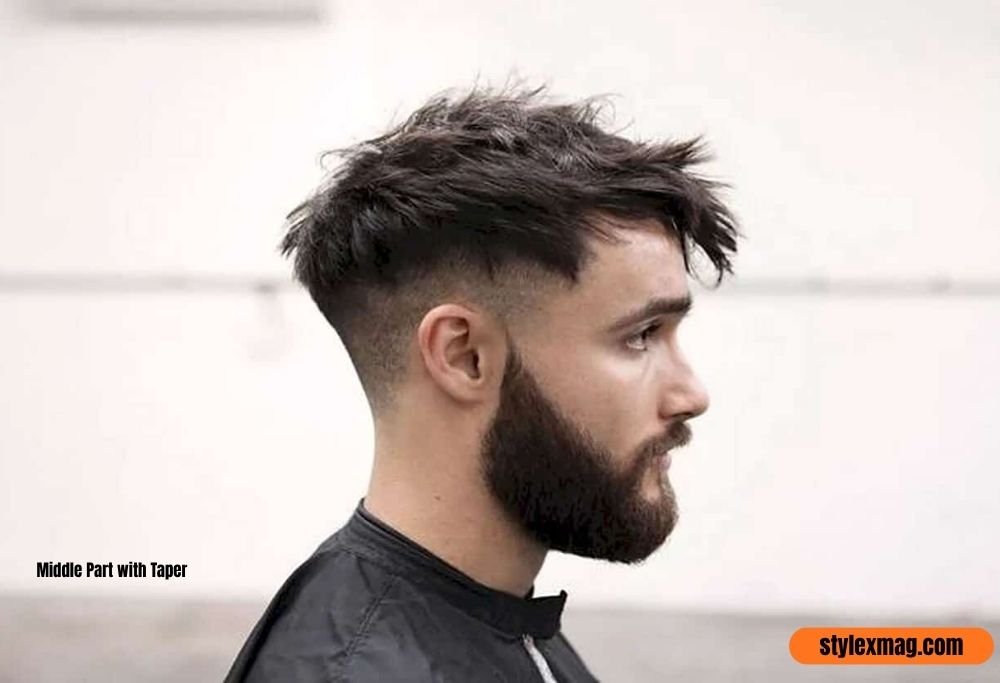
Don’t confuse this with the curtain fringe. A middle part with taper skips the face-framing fringe layers and instead creates a fuller, more even centre part across the whole top. It needs real density to look full on both sides, which makes it a genuinely great match for thick straight hair men. It suits oval, round, and heart faces.
Slicked-Back Undercut
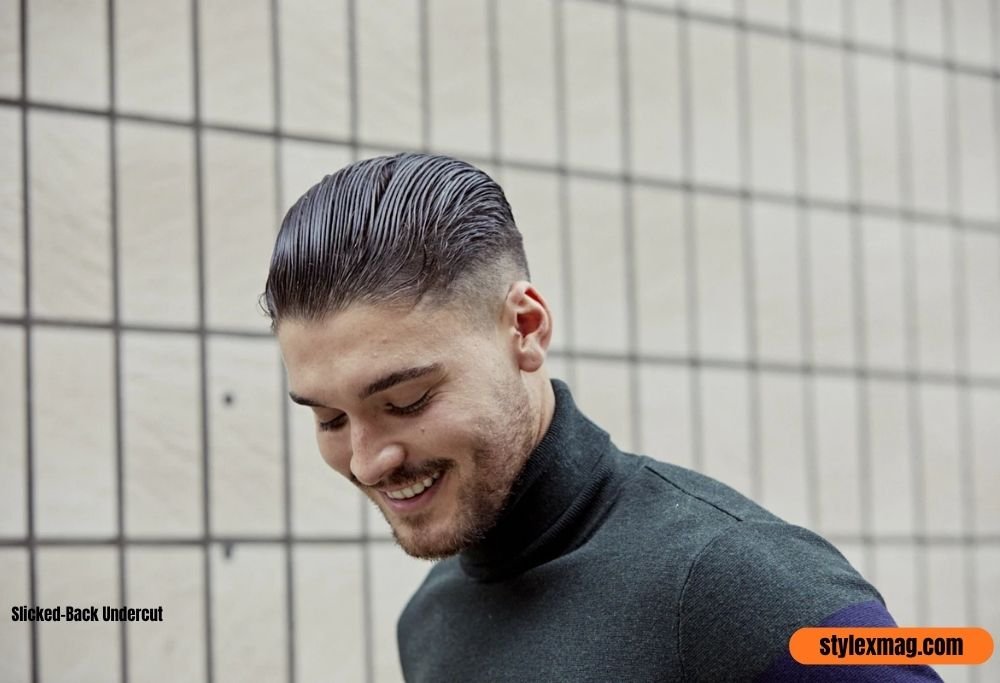
This is a bolder, more dramatic take on the standard slick back thick hair look. Instead of a soft taper on the sides, it pairs the swept-back top with a hard undercut for maximum contrast. It suits oval and diamond faces best, and it demands more frequent barber visits than a standard slick back to keep the undercut sharp.
The table below sums up the maintenance level and best face shape for each cut, so you can scan the full list at a glance.
| Haircu | Maintenance Level | Best Face Shapes |
| Textured Crop | Low-Medium | Oval, Square, Heart |
| French Crop | Low | Oval, Oblong, Diamond |
| Side Part | Medium | Oval, Round, Heart |
| Modern Quiff | Medium-High | Oval, Square, Diamond |
| Pompadour | High | Oval, Oblong, Square |
| Slick Back | Medium | Oval, Diamond, Heart |
| Buzz Cut | Very Low | All Face Shapes |
| Crew Cut | Low | Oval, Round, Square |
| Ivy League | Low | Oval, Oblong, Heart |
| Undercut | Medium-High | Oval, Square, Round |
| Taper Fade | Varies | All Face Shapes |
| Caesar Cut | Low | Oval, Round, Square |
| Angular Fringe | Medium | Round, Square, Heart |
| Messy Top with Fade | Medium | Oval, Round, Diamond |
| Classic Taper | Low | All Face Shapes |
| Textured Mid-Length | Medium-High | Oval, Oblong, Diamond |
| Curtain Fringe | Medium | Oval, Round, Heart |
| Burst Fade with Textured Top | Medium | Round, Oval, Square |
| Modern Mullet | Medium | Oval, Diamond, Oblong |
| Disconnected Pompadour | High | Oval, Square, Round |
| Textured Fringe with Taper | Low-Medium | Oval, Square |
| Brush Up with Low Fade | Medium | Round, Square |
| Long Layered Hair | High | Oval, Oblong, Diamond |
| Middle Part with Taper | Medium | Oval, Round, Heart |
| Slicked-Back Undercut | High | Oval, Diamond |
How to Choose the Best Haircut for Thick Straight Hair
Choosing the best haircut according to face shape matters more with thick hair than with fine hair, simply because there’s more volume to work with, and more volume to potentially work against you. The goal is always to balance proportions: add height where the face runs wide, add width where the face runs long, and soften sharp angles wherever they show up.
Thick, straight strands actually make this easier than you’d think. Because the hair holds its shape so well, a barber can sculpt height, width, or texture with real precision, and it stays put through the day. Below is a breakdown of the best options for each face shape, all pulled from the list of 25 haircuts above.
Best Haircuts for Oval Faces
The oval face is the most flexible shape in the book. Nearly every cut on this list works, since the balanced proportions don’t fight against height, width, or fringe placement. The textured crop, side part, French crop, and pompadour all rank as top picks for this shape.
Best Haircuts for Round Faces
A round face benefits from added height and tight sides that avoid extra width. The modern quiff, angular fringe, brush up with low fade, and burst fade with textured top all create the vertical lift this face shape needs.
Best Haircuts for Square Faces
A square face carries a strong jawline, so softer, more textured cuts work best here. The textured crop, modern quiff, textured fringe with taper, and disconnected pompadour all soften those angles nicely without erasing the jawline’s natural structure.
Best Haircuts for Oblong Faces
An oblong face needs width added and height kept in check. A fringe helps shorten the face visually, which makes the French crop, Ivy League, modern mullet, and long layered hair strong choices for this shape.
Best Haircuts for Heart-Shaped Faces
A heart-shaped face carries a wider forehead and a narrower chin, so the goal is balance. The side part, slick back, curtain fringe, and middle part with taper all add width lower on the face to even things out.
Best Haircuts for Diamond Faces
A diamond face benefits from cuts that widen the forehead and chin visually. The French crop, modern mullet, long layered hair, and slicked-back undercut all use fringe and texture to soften the narrower midpoint of this face shape.
Best Thick Straight Haircuts by Hair Length
Face shape isn’t the only factor worth considering. Hair length changes the entire styling routine, the barber visit frequency, and how much product you’ll need day to day. Below, the same 25 cuts get sorted by length instead of shape.
Short Haircuts for Thick Straight Hair
Short haircuts for thick hair include the buzz cut, crew cut, Caesar cut, textured crop, and French crop. These options need the least daily effort and the shortest styling time, often just a towel-dry and a small amount of product. They also grow out fastest, so expect trims every two to three weeks for cuts with a skin fade.
Medium Haircuts for Thick Straight Hair
Medium hairstyles for thick hair cover the side part, modern quiff, pompadour, Ivy League, taper fade variations, angular fringe, textured fringe with taper, and middle part with taper. These need a blow dryer most mornings and a bit more product, but they offer far more styling flexibility than shorter options.
Long Haircuts for Thick Straight Hair
Long hairstyles for thick straight hair include the textured mid-length cut, curtain fringe, modern mullet, and long layered hair. These require the most product and styling time, usually a sea salt spray plus a full blow-dry, but they also show off natural texture and movement better than any shorter cut can.
How to Style Thick Straight Hair for Men
Styling thick straight hair comes down to technique, not just product volume. The right sequence of steps matters far more than dumping in extra clay or pomade and hoping for the best.
Start With the Right Haircut and Hair Length
No amount of product fixes a cut that wasn’t layered or textured correctly in the first place. If your barber didn’t thin the interior or point-cut the ends, styling becomes an uphill battle every single morning. Start by picking the right cut from the 25 above, then build your styling routine around it.
Use a Blow Dryer to Build Shape and Volume
Wash your hair and towel-dry it until it’s damp, not dripping and not fully dry. Roughly 70 percent dry is the sweet spot. Use a blow dryer with a concentrator nozzle, pointing the airflow down along the hair shaft rather than against it. A round brush helps direct the front section into whatever shape you’re going for, whether that’s a quiff, a pompadour, or a simple side part.
Apply Styling Product Without Weighing Hair Down
Once your hair is fully dry, take a small amount of styling product, whether that’s hair clay, matte pomade, or a lighter cream, and rub it between your palms until it’s evenly spread. Work it through from back to front, starting at the mid-shaft and ends rather than the roots. Product at the roots flattens thick hair fast and makes it look greasy well before the day is done.
Best Hair Products for Thick Straight Hair
Picking the right product depends entirely on the finish you want: more hold, more texture, or a softer, more natural look. Here’s a breakdown of what actually works for hairstyles for thick straight hair.
| Product | Hold Level | Finish | Best For |
| Hair Clay | Medium-Strong | Matte finish | Textured crops, messy tops, quiffs |
| Matte Pomade | Medium | Matte finish | Side parts, pompadours, slick backs |
| Sea Salt Spray | Light | Textured, gritty | Mid-length and longer styles |
| Texturising Paste | Light | Dry, piece-y | Natural, finger-styled looks |
| Heat Protectant Spray | None | N/A | Any style involving a blow dryer |
Best Products for Volume
A lightweight volumising spray or mousse, applied to damp roots before blow-drying, builds lift without adding heaviness later in the day. This is a pre-styling step, not a finishing product, so don’t confuse it with the clay or pomade you apply once your hair is fully dry.
Best Products for Texture and Hold
Hair clay and texturising paste both deliver a matte finish with real grip. These work best on textured crops, messy tops, and any cut that relies on separated, piece-y sections rather than a smooth, uniform surface.
Best Products for a Natural Finish
A water-based matte pomade or a light cream gives a softer, more natural look without shine. These suit side parts, the Ivy League, and the middle part with taper, where the goal is controlled movement rather than a heavily textured finish.
What to Tell Your Barber for Thick Straight Hair
Thick hair needs more specific direction than “short on the sides, long on top.” A good barber will know exactly what you mean if you use the right language. Try phrases like “thin out the interior,” which tells your barber to remove bulk from inside the cut rather than just shaping the outline. “Point-cut the top” creates textured, piece-y ends instead of blunt, heavy ones. “Blend the weight line” prevents a hard shelf where the top meets the tapered sides or faded sides. And always be specific about fade height, since “short” means something different to every barber you’ll ever sit down with.
If you’re planning to quiff, brush up, or sweep your hair back, say so clearly at the start of the appointment. Your barber will adjust the internal layering specifically to support that direction, which makes a real difference in how the finished cut holds up day to day.
How Often Should You Cut Thick Straight Hair?
Thick straight hair grows at a standard rate, roughly half an inch per month, but it looks like it’s growing faster because the density makes every bit of new length more visible. Faded styles need a trim every two to three weeks to stay sharp and clean. Tapered and longer styles last four to five weeks before they start to lose their shape.
| Style Type | Recommended Trim Frequency |
| Skin Fade / Burst Fade | Every 2–3 weeks |
| Taper / Undercut | Every 3–4 weeks |
| Classic Taper / Longer Styles | Every 4–5 weeks |
| Grow-Out Maintenance | Every 5–6 weeks |
If you’re growing out a shorter cut, don’t skip appointments entirely. A maintenance trim every five to six weeks, where the barber cleans up the neckline and sides without touching the top, keeps the grow-out phase looking intentional instead of neglected.
Common Thick Straight Hair Mistakes to Avoid
Even a great haircut can go wrong with the wrong daily habits. Here are five mistakes worth avoiding if you want your cut to actually last between visits.
Removing Too Much Weight From Thick Hair
Over-thinning creates patchy, see-through sections that look worse than the original bulk ever did. A skilled barber balances weight removal carefully instead of stripping out too much in one sitting.
Styling With Too Much Product
Loading up on hair clay or pomade doesn’t add better hold, it just creates buildup and a greasy look by midday. A thumbnail-sized amount usually covers a full head of thick straight hair without any issue.
Ignoring Natural Hair Growth Patterns
Cowlicks and crown swirls show up far more clearly on coarse hair than on fine hair. These growth patterns need to get addressed during the actual haircut, not fixed later with styling product.
Cutting the Fringe Too Short
This mistake hits hardest on fringe-forward cuts like the curtain fringe or angular fringe. Once it’s cut too short, there’s no fixing it until it grows back out, so always double-check length with your barber before the final snip.
Using the Wrong Comb or Brush
A fine-tooth comb dragged through tangled, thick straight hair causes breakage and frizz, especially near the nape and behind the ears. A wide-tooth comb or a detangling brush works far better, starting from the ends and working upward.
Frequently Asked Questions
Is thick straight hair good for men’s haircuts?
Yes. Thick straight hair holds structure better than any other hair texture once a barber removes the right amount of weight. It supports height, texture, and volume in ways that fine or thin hair simply can’t match.
What is the best haircut for thick straight hair?
There’s no single “best” cut, but the textured crop, modern quiff, and classic taper consistently rank among the top choices for best haircuts for thick straight hair, since they all control bulk while keeping enough length to style.
What hairstyle suits thick straight hair men?
Textured crops, quiffs, side parts, slick backs, and tapered styles suit thick straight hair well. They add shape while keeping excess bulk under control.
What is the best haircut for a man with thick hair?
A textured crop, taper fade, or classic taper is ideal for thick hair. These cuts remove excess weight while keeping the hair stylish and manageable.
What is the 3:2:1 rule for haircuts?
The 3:2:1 rule generally refers to using longer lengths on top and progressively shorter lengths on the sides and back. It creates a balanced, blended haircut.
Which cut is best for thick hair?
The best cut depends on your face shape and desired length, but textured crops, crew cuts, quiffs, and taper fades are excellent choices for thick hair.
Final Thoughts
Thick, straight hair gives men plenty of styling options, from clean fades and textured crops to modern quiffs and longer layered cuts. The best haircut depends on your face shape, hair length, and how much styling you want to do. With the right cut and simple styling routine, thick straight hair can look fuller, sharper, and more manageable.
StyleXMag Editorial Team shares the latest haircut and hairstyle ideas, from modern fades and comb overs to curly, long, slick-back, and face-shape styles. Our goal is to make finding your next look simple, useful, and inspiring.