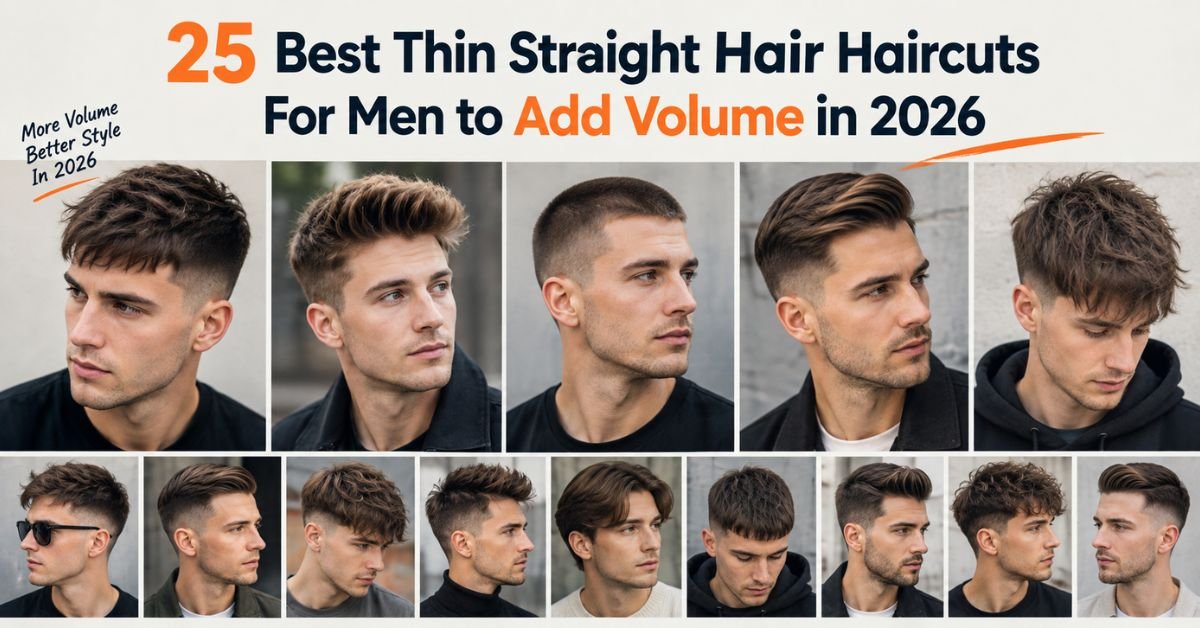
25 Best Thin Straight Hair Haircuts For Men to Add Volume in 2026
If you have Best Thin Straight Hair Haircuts For Men often struggle to style, you are not alone. Fine strands fall flat fast. They show the scalp. They lose shape by lunch. This guide fixes that problem. It covers the best hairstyles for thin hair men in 2026, plus tips on styling, products, and face shape.
Every cut on this list works for fine straight hair men who want real volume. We cover haircuts for fine hair men, from short crops to tapered classics. Each one uses length, texture, and blending to hide thinning and build hair volume where it matters most.
This is a long guide. It is also a simple one. We use short sentences and easy words. No jargon walls. No filler. Just clear, useful advice on thin hair men haircut choices that actually work in real life.
What Makes a Haircut Work Best for Thin Straight Hair?
Three things matter most for straight hair men hairstyles on fine strands: weight, length, and blending. Remove weight from the ends. Keep the top short. Blend the sides so there is no hard line. These three rules apply to almost every great cut for thin hair.
Long hair pulls itself flat under its own weight. That is physics, not bad luck. Short hair fights back against gravity. This is why short haircuts for thin hair almost always beat long ones. Point cutting also helps a lot.
It removes bulk from the ends without removing density at the root. Blunt cutting does the opposite. It leaves a flat, heavy edge that falls flat fast. Ask for point cutting or texturizing, not a blunt line, on haircuts for flat hair men.
Blending is just as important. A hard line between two lengths shows every gap in thinning hair. A soft taper or fade hides that change. This matters even more near the parietal ridge, the crown area where hair often thins first. A slow blend through this zone can make a big difference in how full your hair looks.
Read More: 30 Best Surfer Haircut Men Styles for a Cool Beach Look in 2026
Best Thin Straight Hair Haircuts For Men
Below are 25 of the best hairstyles for thinning hair men and fine hair types. Each one is built around the same core idea. Keep it short. Add texture. Blend the sides. Together, these are some of the best hairstyles for thin hair you can ask for in 2026.
Textured Crop
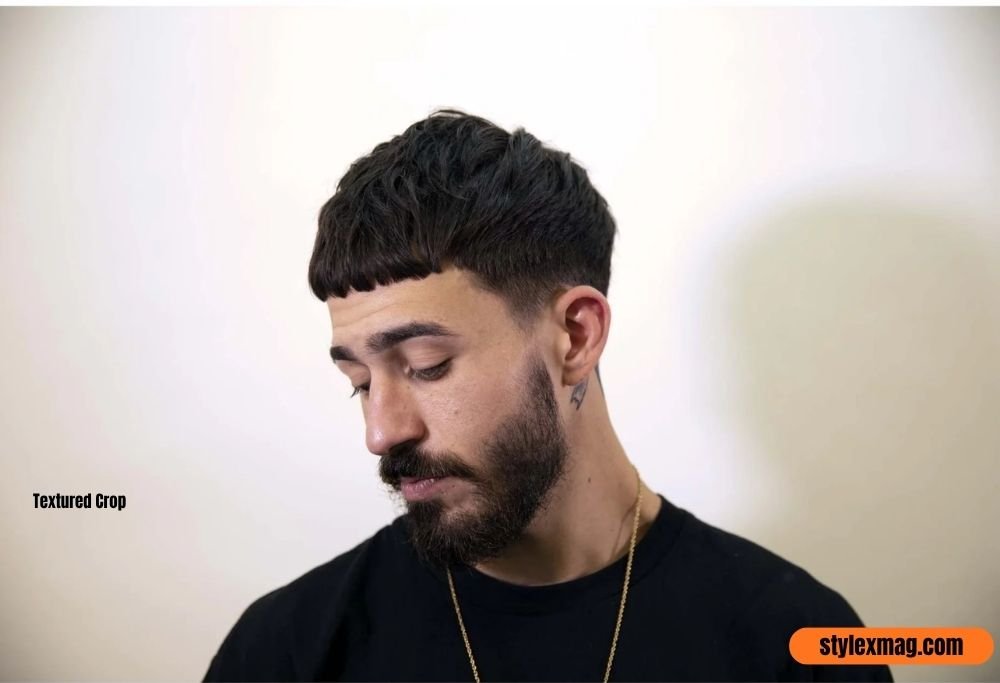
The textured crop is short and choppy on top, usually one to two inches long. It pairs with a low fade or mid fade on the sides. Point-cut ends break up flat hair into small, uneven pieces. This tricks the eye into seeing more density than is really there. It suits oval, square, and oblong face shapes well. A small amount of matte finish clay holds the shape all day. This is one of the easiest haircuts that make thin hair look thicker, and a great first pick for anyone new to short styles.
French Crop
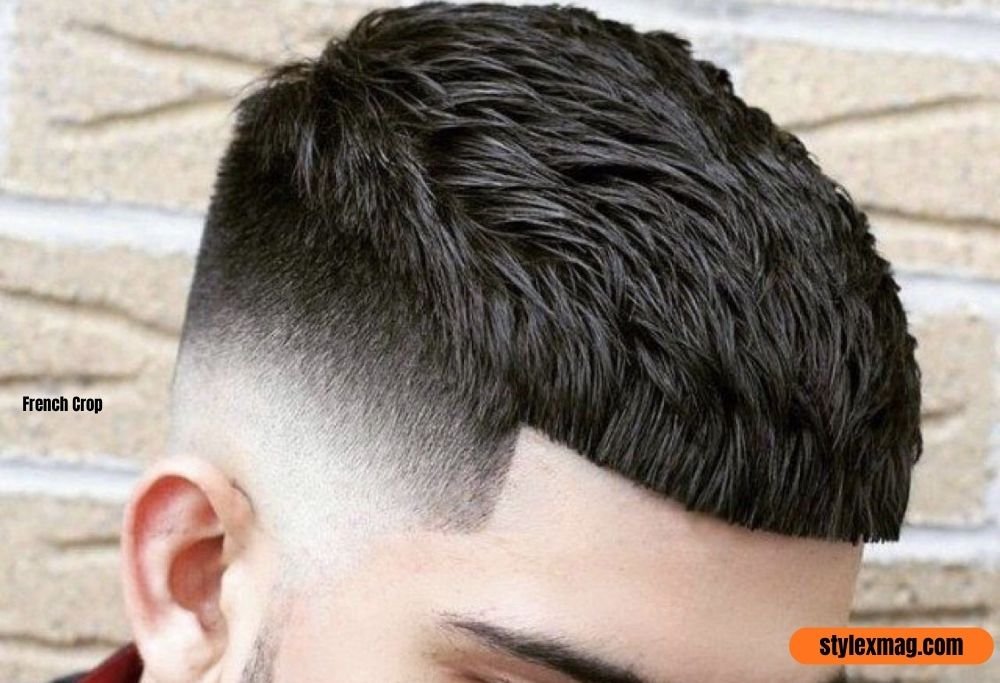
The French crop uses a blunt fringe across the forehead. The top stays short and even, about one to one and a half inches. Sides are tapered or faded. This cut pulls hair forward instead of up. That is a smart move if you have a receding hairline. The fringe covers the front while the short top gives a strong, clean shape. Keep the fringe lightly textured, not fully blunt, so it does not look like a helmet.
Buzz Cut
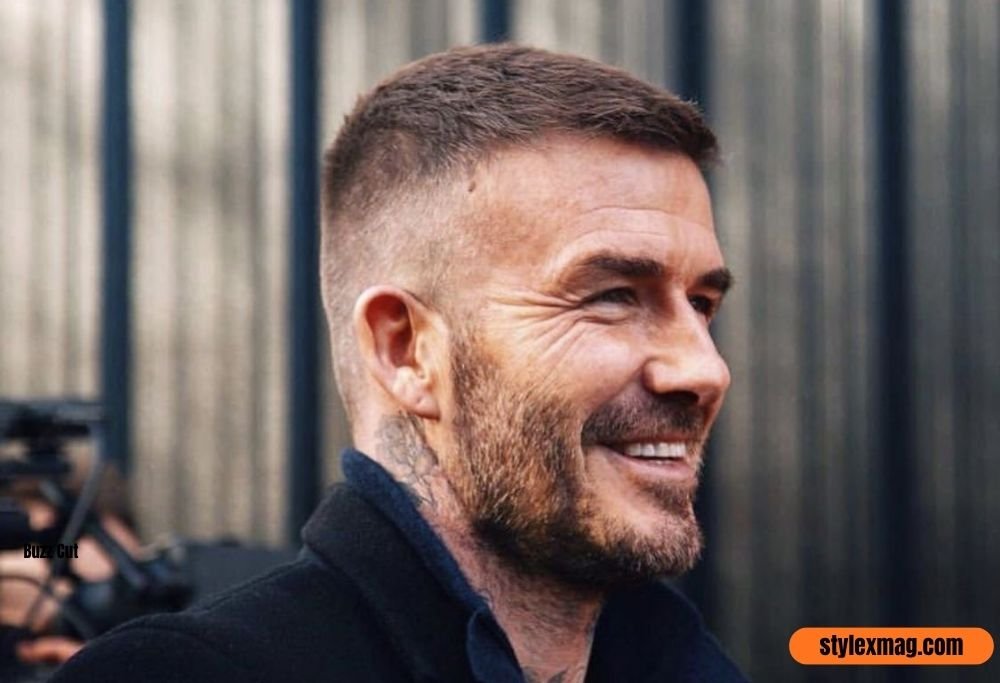
A buzz cut keeps one length all over, usually a number 2 to 4 guard. You can add a skin fade for contrast. This cut removes almost all difference between thick and thin patches. When hair sits under half an inch, gaps in density stop being visible. Your face shape and bone structure become the main focus instead. It is one of the lowest-effort short hairstyles for fine straight hair, needing only a trim every two weeks.
Crew Cut
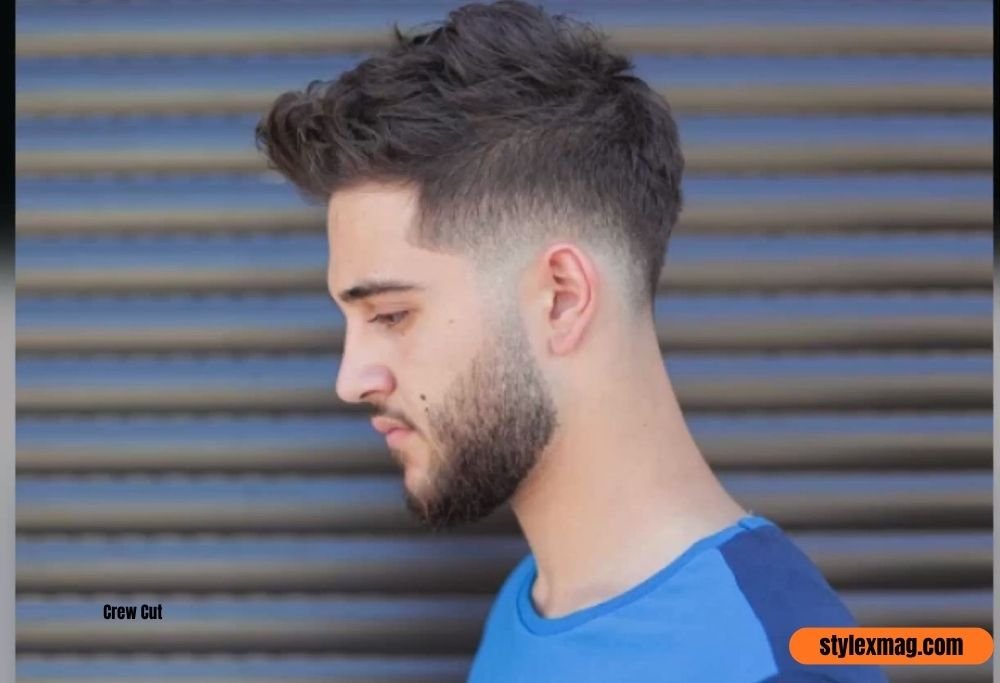
The crew cut stays longer at the front, about one to two inches, and tapers shorter toward the crown. Sides are blended, often into a low low taper. This front-to-back shape builds lift right where fine hair usually goes flat first. It suits almost every face shape and grows out cleanly. Many barbers call this one of the most reliable options for men’s thin hair styling because it needs little daily effort.
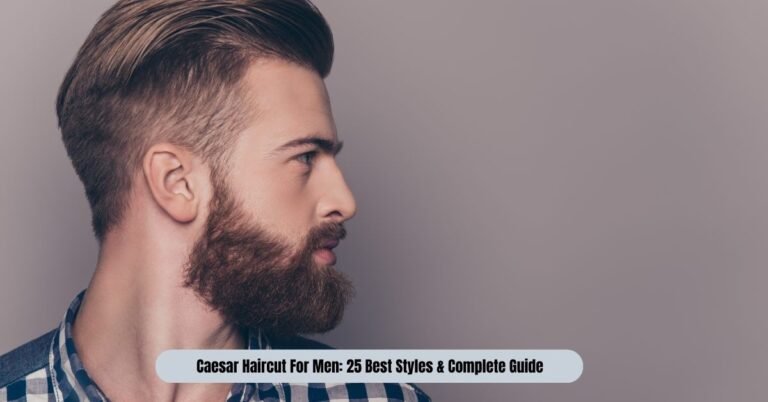
Caesar Cut
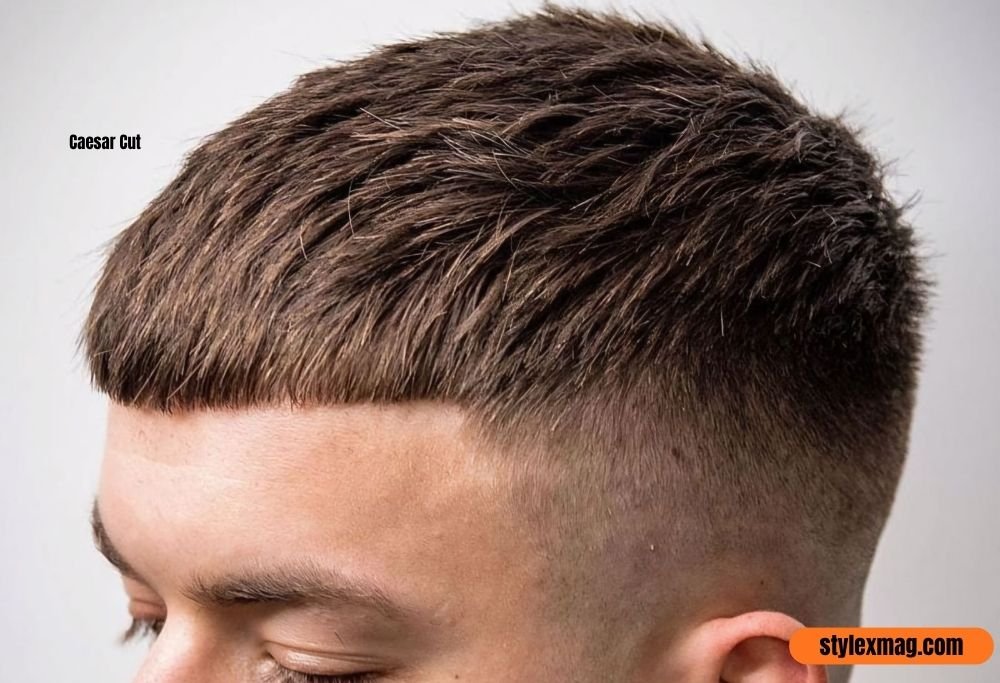
The Caesar cut brushes a short, horizontal fringe forward. Top length sits around half an inch to one inch. Sides are tapered or faded. This style pushes hair straight at the hairline, which is exactly where thinning shows first. Actor George Clooney wore a version of this cut during his years on the TV show ER in the 1990s. The style is said to date back even further, to Julius Caesar, who reportedly combed his hair forward to hide his own hairline.
Ivy League Haircut
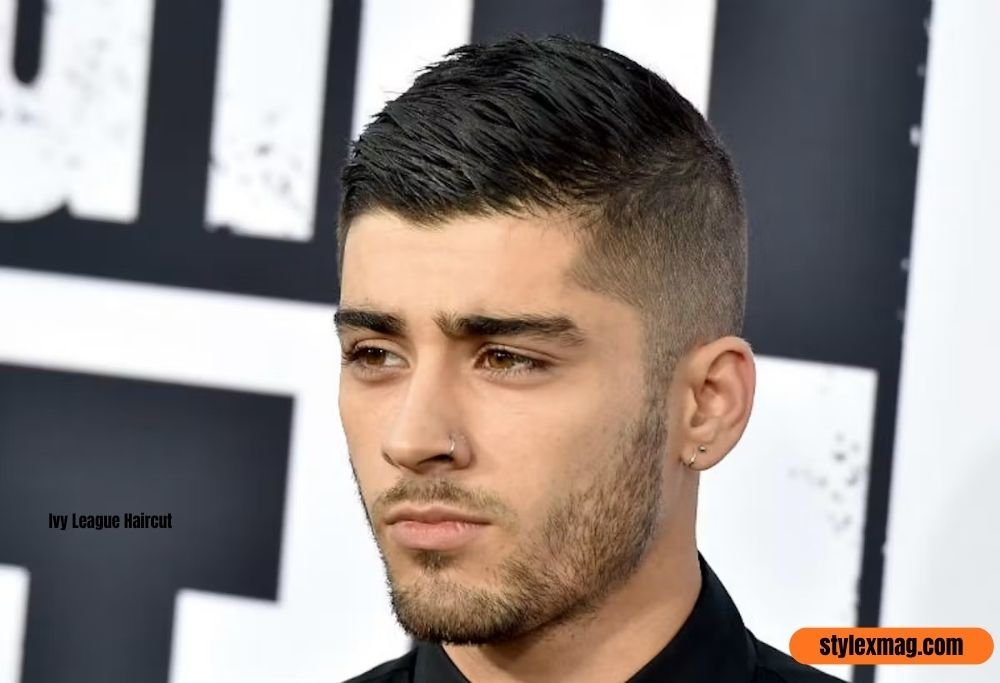
The Ivy League haircut is a longer crew cut, usually two to three inches on top. That extra length allows a clean side part. Sides stay tapered with no hard lines. This is a strong choice for offices and formal settings, where a buzz cut can feel too plain and long hair will not hold shape. A light, water-based cream gives it hold without weight.
Side Part with Low Taper
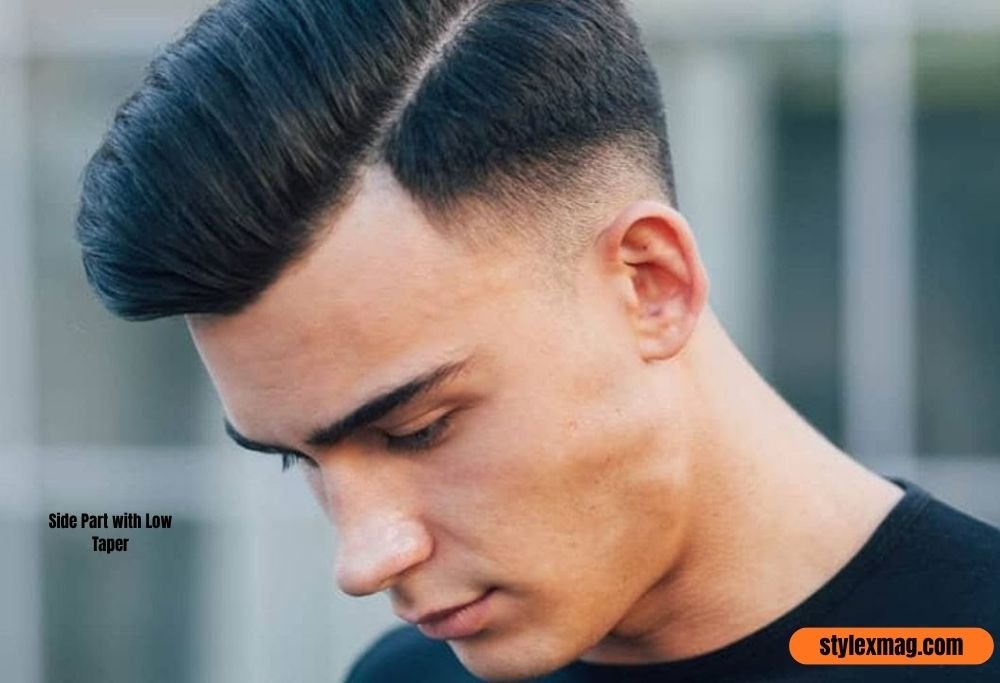
A side part paired with a low taper is a classic combination. Hair sits at two to three inches on top with a hard or soft part line. The sides taper down gradually near the ear. This works only when the sides stay tight. Anything looser and the contrast starts pointing at thinning instead of hiding it. Style with matte pomade, never anything glossy, since shine draws attention to sparse spots.
Comb-Over Fade
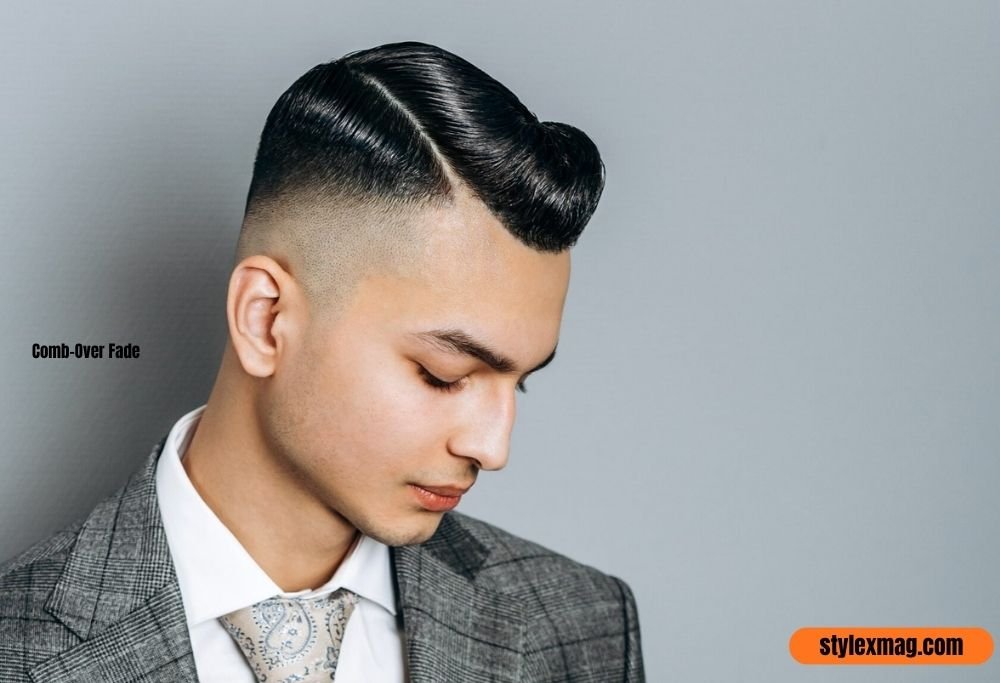
The modern comb-over fade is not the old, sad sweep from decades ago. Hair on top runs two to three inches and sweeps to one side. A mid fade or high fade sits underneath. The fade makes the swept top look deliberate and sharp, not like a cover-up. This cut is especially good at hiding a thinning crown, since the sweep carries hair across the thinner area.
Short Quiff
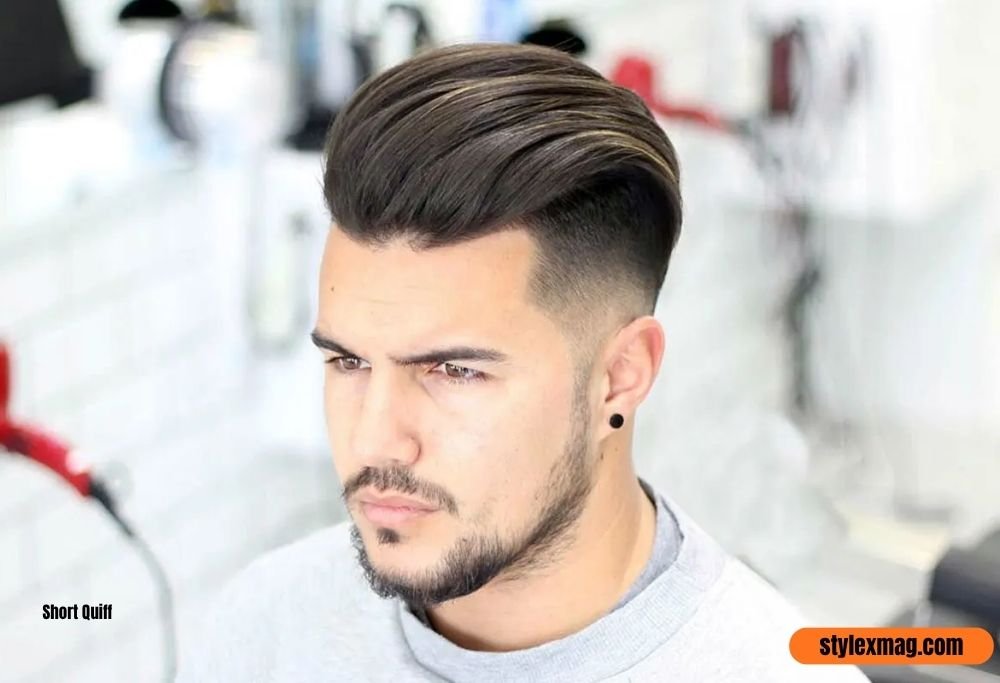
A short quiff lifts the front section up and back, staying around one and a half to two inches long. Volume builds at the forelock. Sides are faded or tapered. A full quiff needs thick hair. A short one only needs good technique and the right blow-drying method. Keep the front under two inches so it does not collapse by the afternoon.
Low Fade with Textured Top
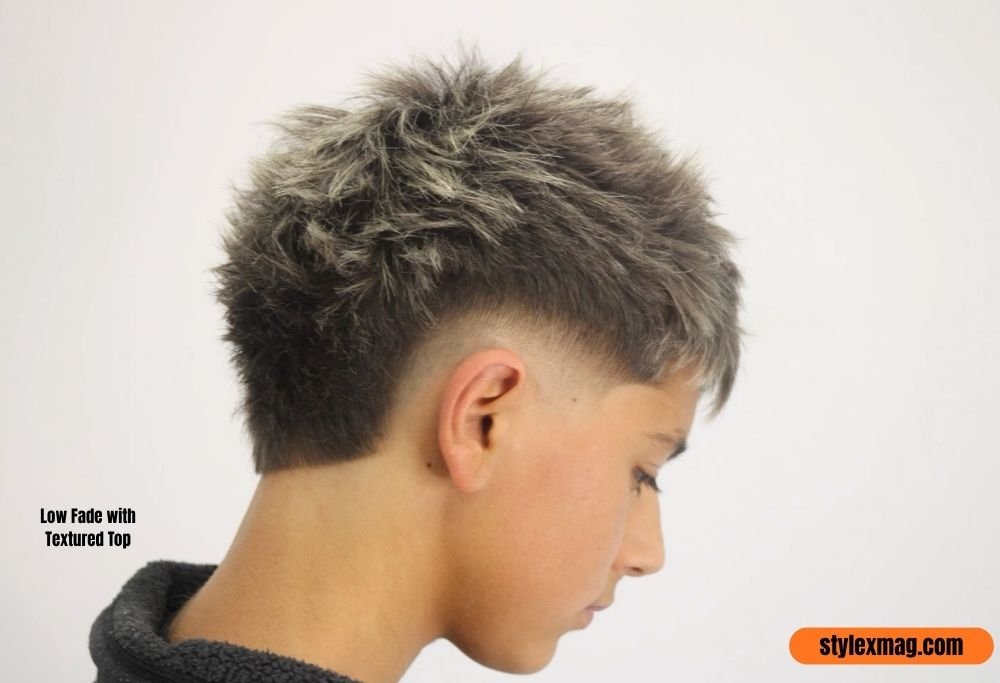
This combination pairs a low fade with a textured top, usually one to two inches long. Choppy layers on top add the movement that flat hair lacks. The fade below keeps the sides tidy without looking harsh. This is one of the most versatile fade haircuts for thin straight hair, working equally well for office days and weekends.
High and Tight
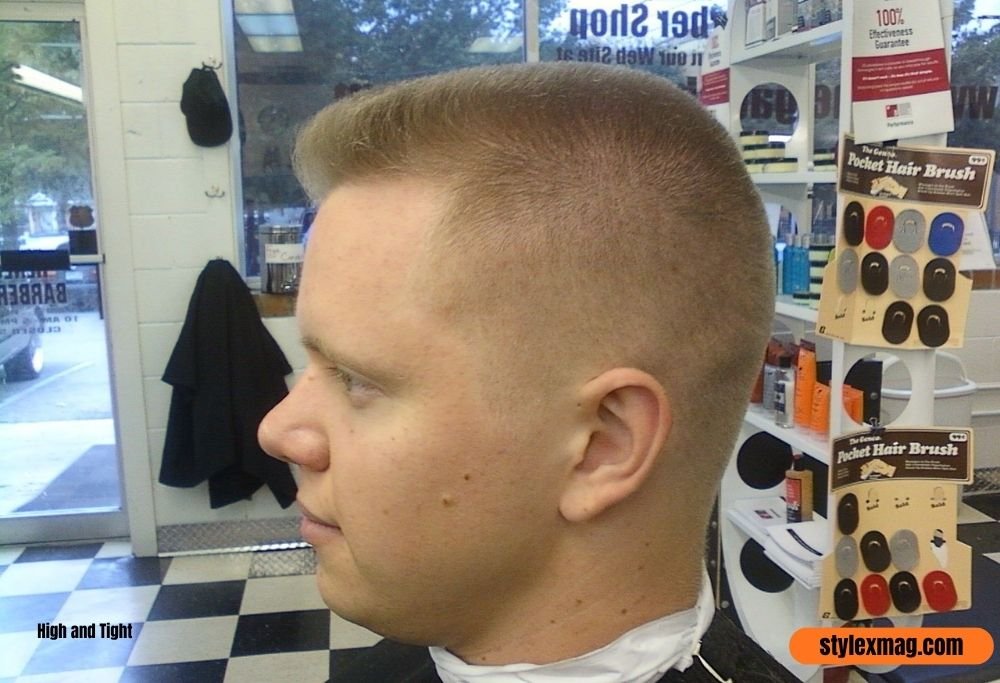
The high and tight keeps the sides very short, often a number 0 to 1 guard, faded to skin near the temples. Top length stays around half an inch to one inch. This style removes almost everything that makes thin hair stand out, including length, layering, and contrast. What remains is bone structure and a sharp, clean shape.
Slicked Back with Undercut
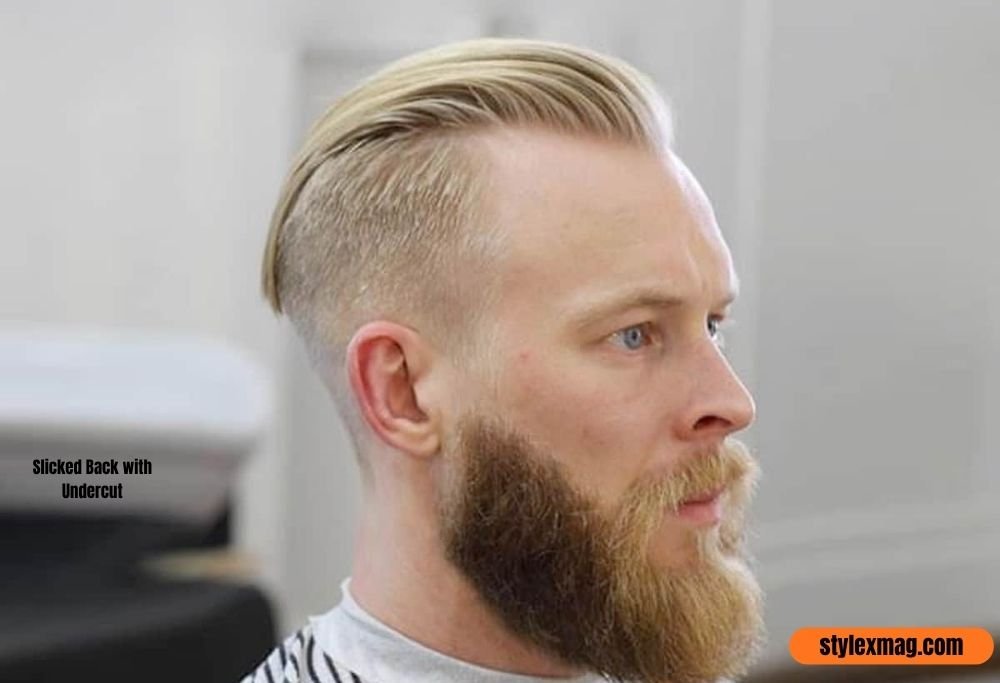
Here the top grows to three or four inches and sweeps straight back. An undercut sits below, at a number 1 or 2 guard, with no blending. Straight hair actually slicks back easily compared to curly or wavy types. This gives fine hair a real advantage for once. This only works if the top has enough density left to cover the scalp fully once wet.
Read More: Long Hairstyles for Men: 35 Best Styles for Every Hair Type
Angular Fringe
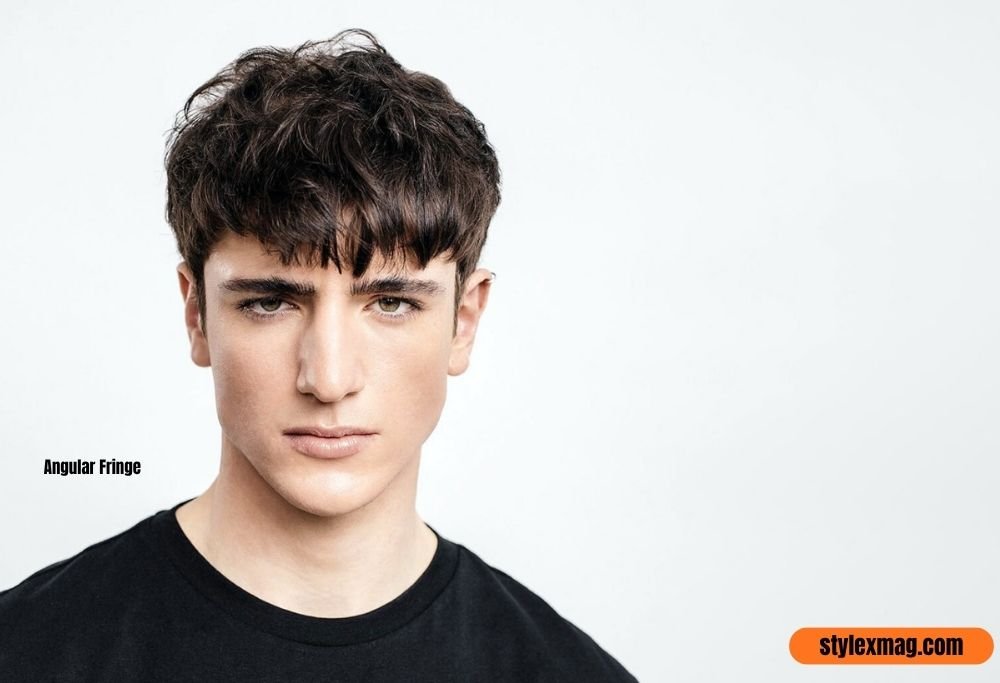
The angular fringe sweeps across the forehead at a diagonal angle. One side runs longer, around two to three inches, while sides taper or fade. This diagonal line adds visual interest that a straight fringe cannot. It is especially useful for round faces, since the angle adds structure. It is also one of the few longer options that works well on fine hair, since gravity pulls sideways instead of straight down.
Short Pompadour
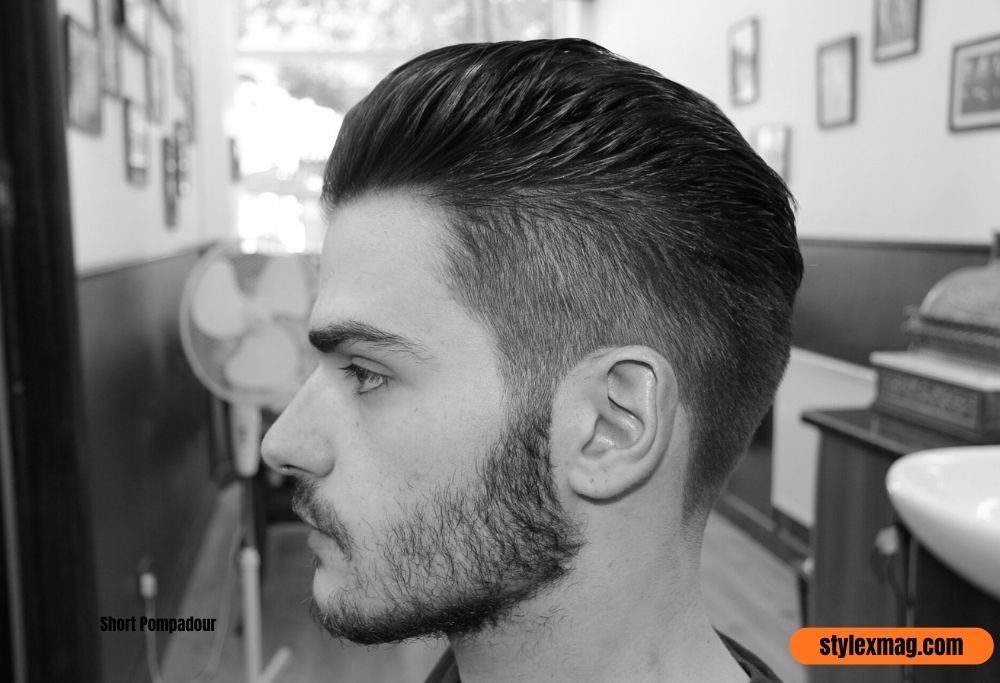
A short pompadour styles the front up and slightly back, usually two to two and a half inches long. Volume builds at the crown and forelock. A full pompadour needs thick hair to form its classic wave. A short version skips the wave and focuses only on lift. Blow-dry straight up from wet roots, then use texturizing powder instead of clay, since powder holds without adding heavy weight.
Brush Up
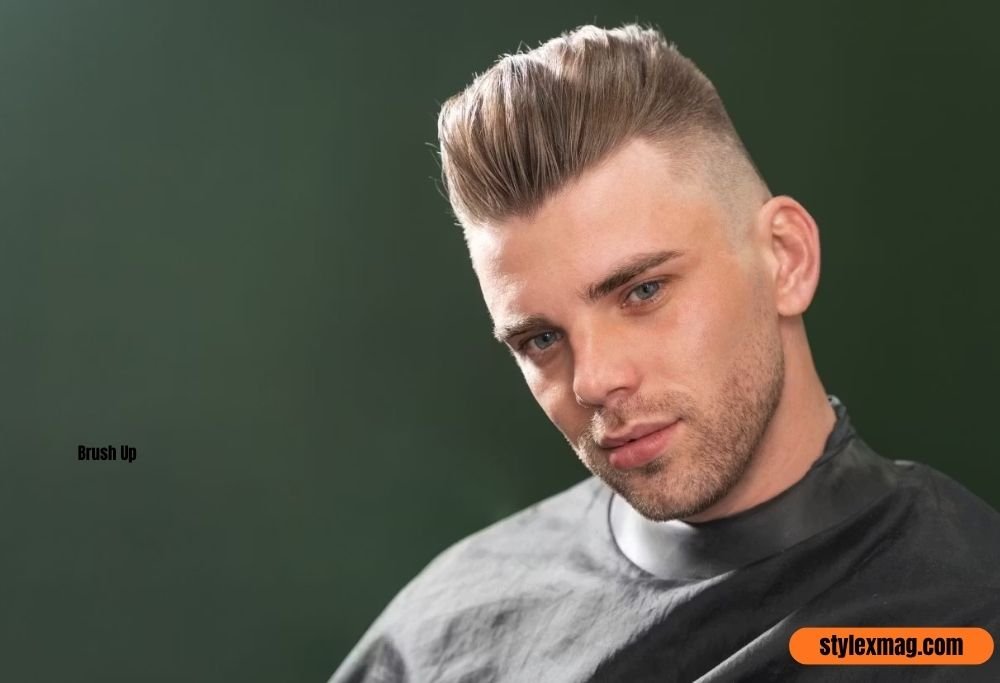
The brush up pushes all top hair upward and slightly forward, at one to two inches long. A high fade or undercut sits below. This is a lower-effort cousin of the quiff. Instead of one clear direction, everything lifts together. A slightly messy finish actually helps this style look natural rather than overworked.
Faux Hawk Fade
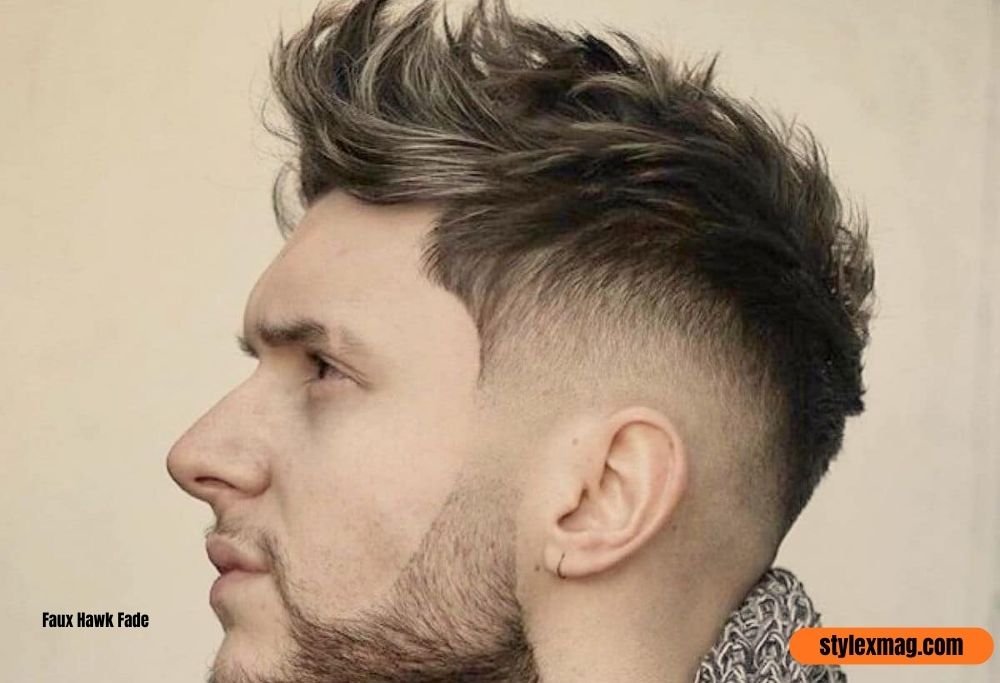
This cut gathers hair into one central ridge running front to back, at one and a half to two inches long, with a fade on both sides. It gives fine, flat hair a shape that looks deliberate instead of thin. It works best when thinning is spread evenly across the top, rather than concentrated in one spot.
Disconnected Undercut
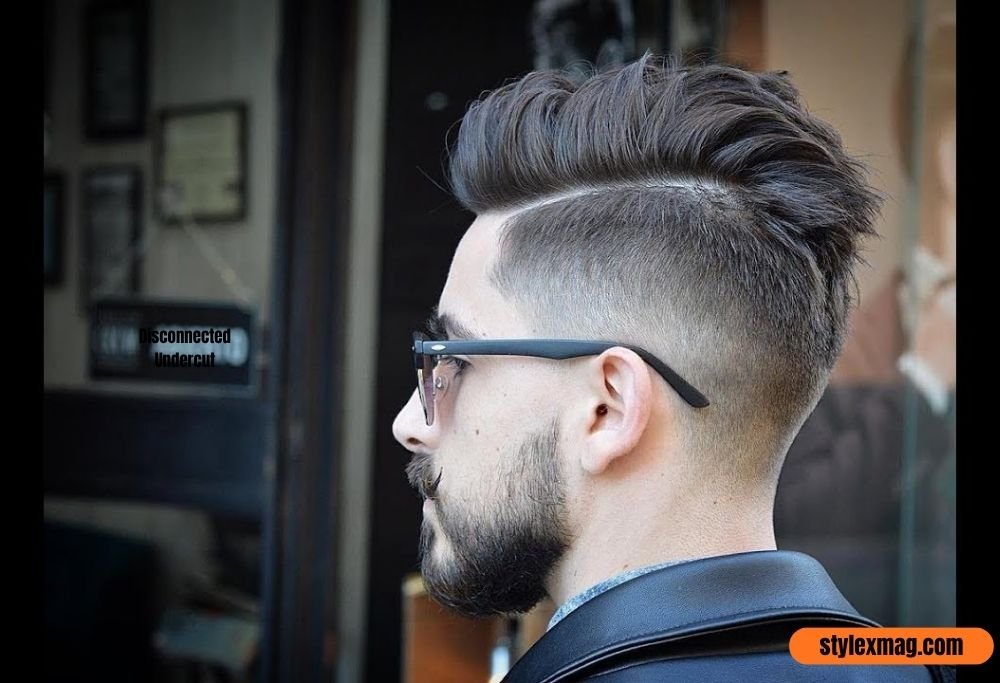
The disconnected undercut creates a sharp contrast between a long top, two to three inches, and buzzed sides at a number 1 guard, with no blending at all. This bold line only works if the top still has enough density to cover the scalp once styled. Straight hair falls cleanly over the disconnect, which is a real plus compared to curlier textures.
Classic Taper
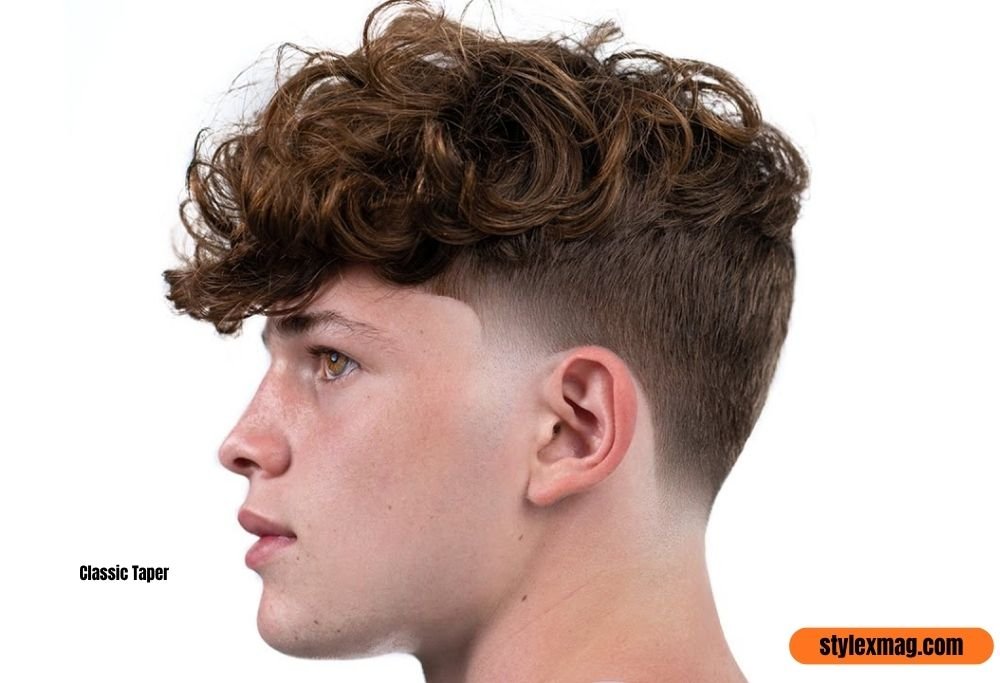
The classic taper predates every modern fade trend. Length reduces gradually from top to neckline using scissors, with no guard jump anywhere. Top length usually sits around two to three inches. This remains one of the timeless best haircuts for men with fine straight hair because there is never a hard line to expose thinning. It also grows out cleanly, often lasting four to five weeks between trims.
Skin Fade with Textured Crop
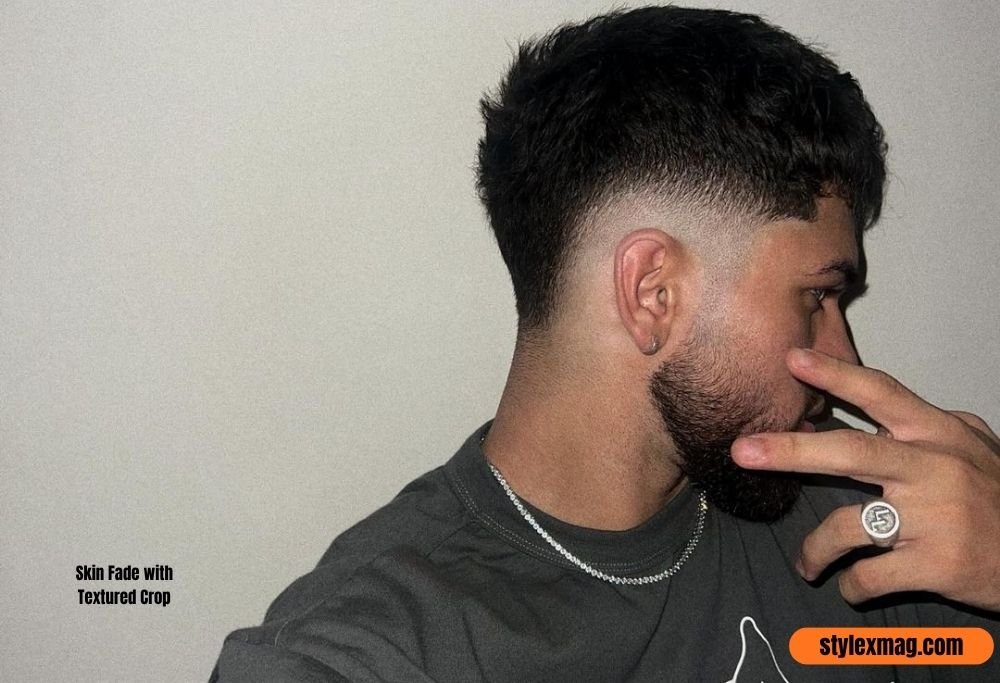
This pairs a skin fade with a short, textured top, creating maximum contrast between the sides and the crown. Fading all the way to skin makes the sides disappear visually, so all the attention sits on the textured top instead. The trade-off is upkeep, since a skin fade grows out fast and usually needs a trim every ten days or so.
Short Back and Sides
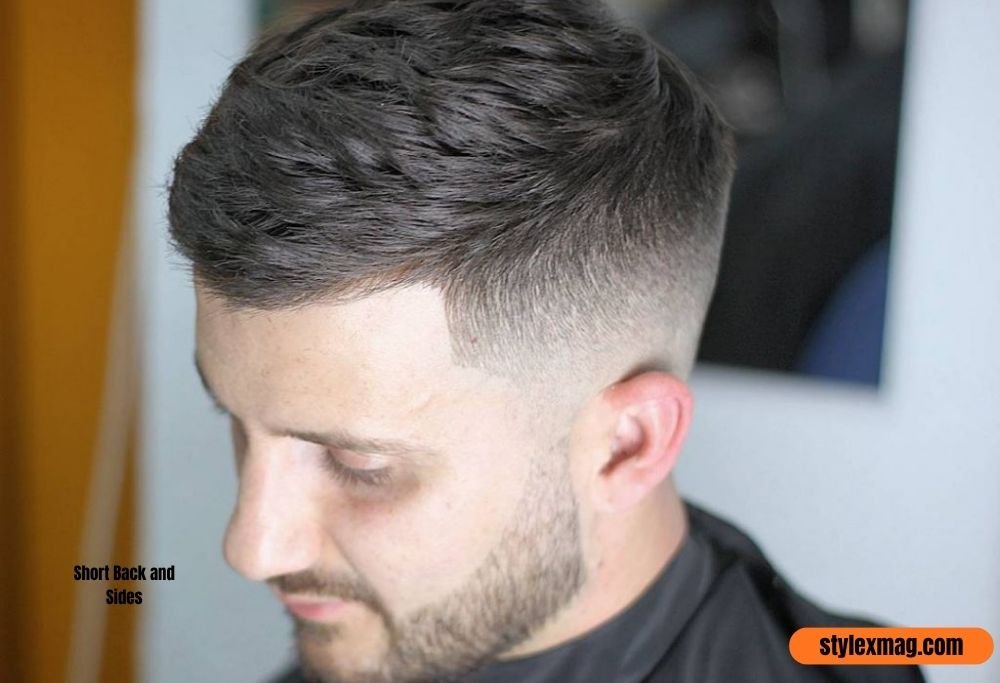
Short back and sides is the baseline that most other cuts on this list modify in some way. Sides sit around a number 2 to 3 guard, with a longer top and a blended or tapered transition. It works with almost every face shape and can be styled parted, pushed back, or textured forward, depending on the day.
Textured Side Sweep
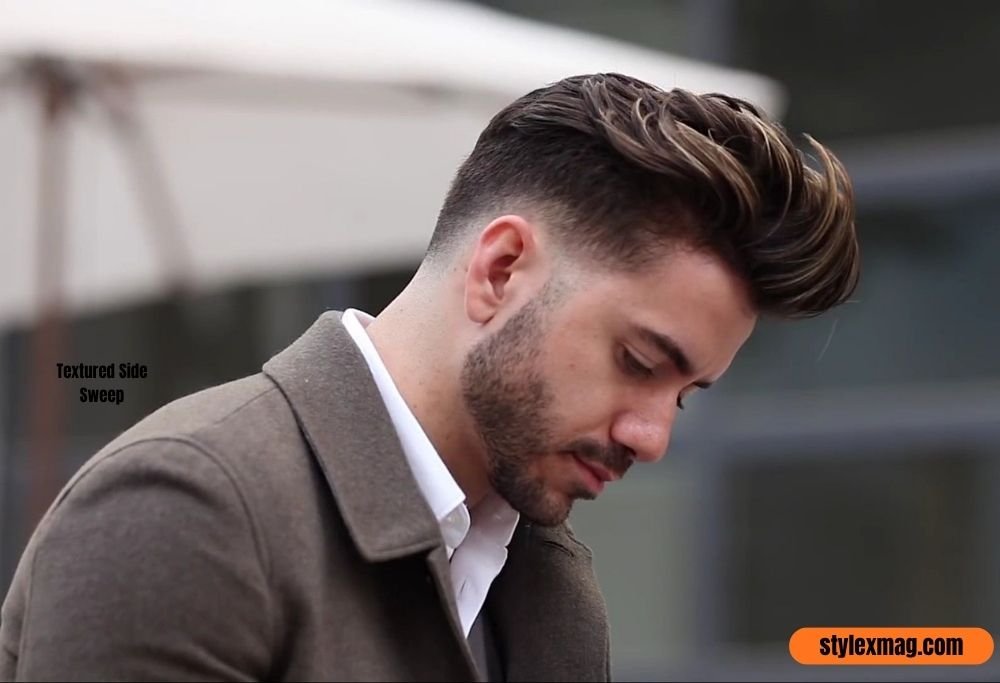
The textured side sweep moves hair to one side in a piece-y, textured finish, usually two to three inches long, with tapered sides. The sweeping motion layers strands over each other, adding real depth. Point cutting through the top breaks up flat sections so fine hair reads as noticeably thicker once it is not lying in one flat sheet.
Buzz Cut with Skin Fade
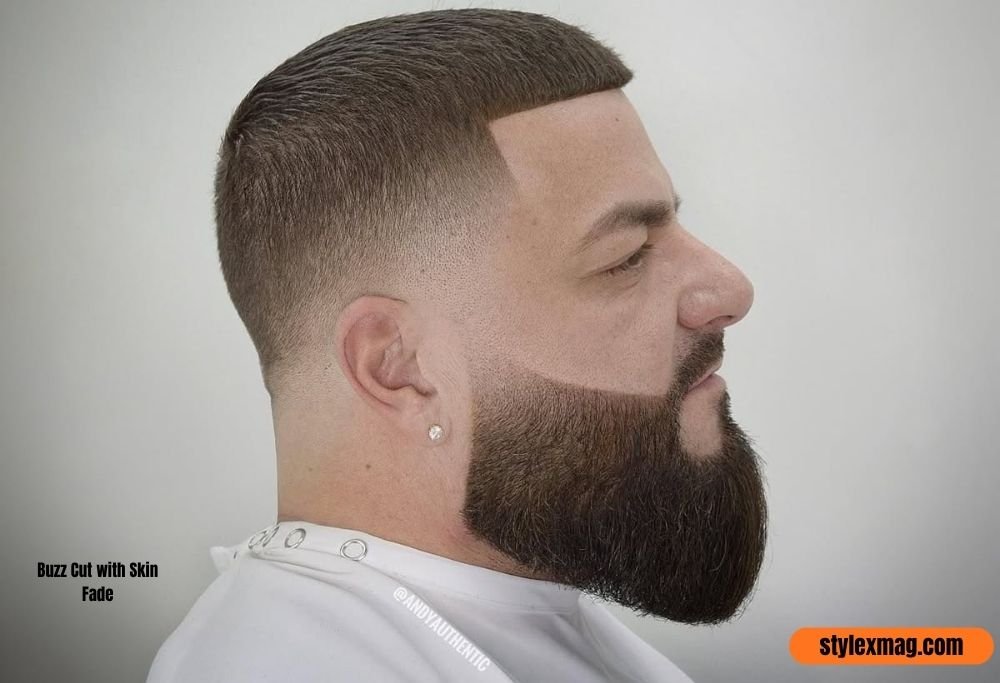
This is a buzz cut with more structure added. A number 2 or 3 guard sits on top, with a skin fade running from the temples down and a clean line-up at the front. The fade adds shape, and the line-up resets where the hairline visually sits. On fine hair, this combination reads as a style choice, not a sign of thinning.
Choppy Fringe with Taper
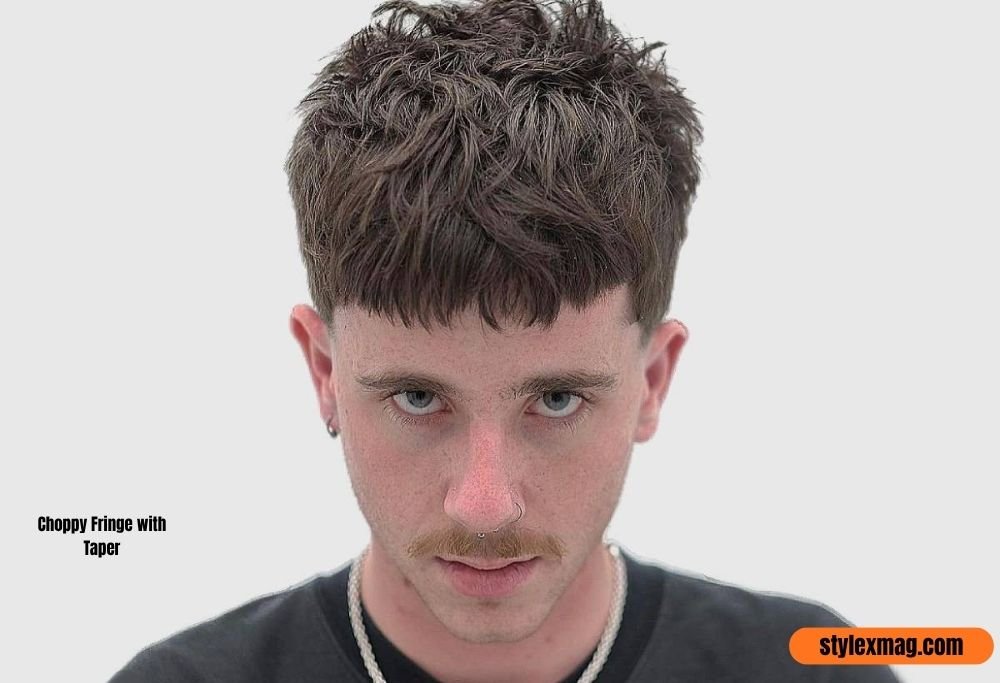
The choppy fringe pairs an irregular, piece-y fringe with point-cut layers on top and a gradual taper on the sides. This combines the coverage of a French crop with the texture of a crop cut. A taper instead of a fade keeps things soft, which suits anyone who finds high-contrast cuts too sharp.
Layered Crop with Mid Fade
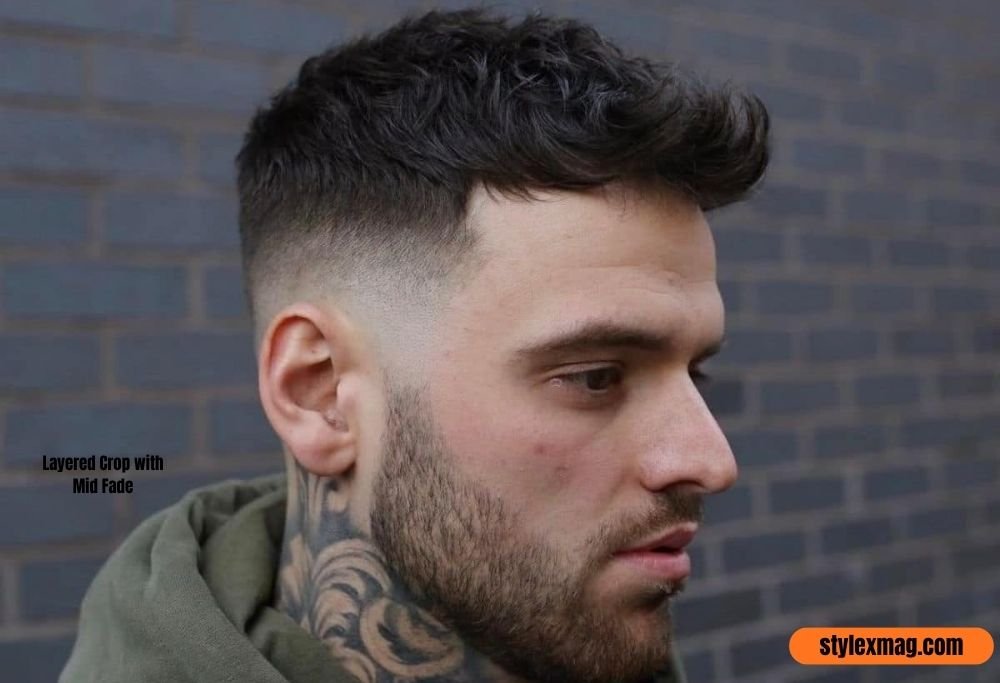
A layered crop uses multiple short layers to build stacked volume, paired with a mid fade starting at the temple line. Layering thin hair sounds risky, but strategic layers remove weight from the ends so the roots can lift more freely. Keep each layer within half an inch of the next, or the scalp will start to show through.
Messy Textured Top with Low Fade
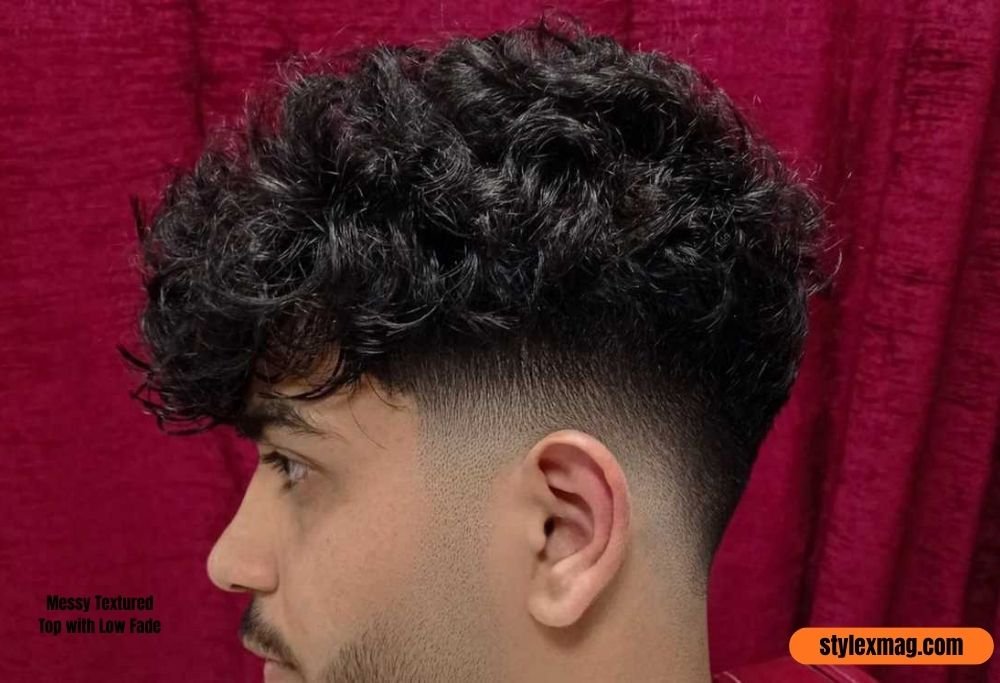
This style pairs messy textured hair on top, around one and a half to two inches long, with a low fade underneath. It takes thin hair’s lack of natural structure and turns that into the whole point of the look. Texturize with sea salt spray or matte clay, then tousle by hand for a relaxed, put-together finish.
How to Choose the Right Haircut for Thin Straight Hair
Picking the right cut depends on more than just personal taste. It depends on where you are thinning, your face shape, and how much length you actually want to manage day to day. The sections below break this down by real situation, not just style name.
Every recommendation here connects back to the 25 cuts above. Think of this section as a filter. It helps you narrow a long list down to two or three cuts worth asking your barber about directly.
Best Haircuts for a Receding Hairline
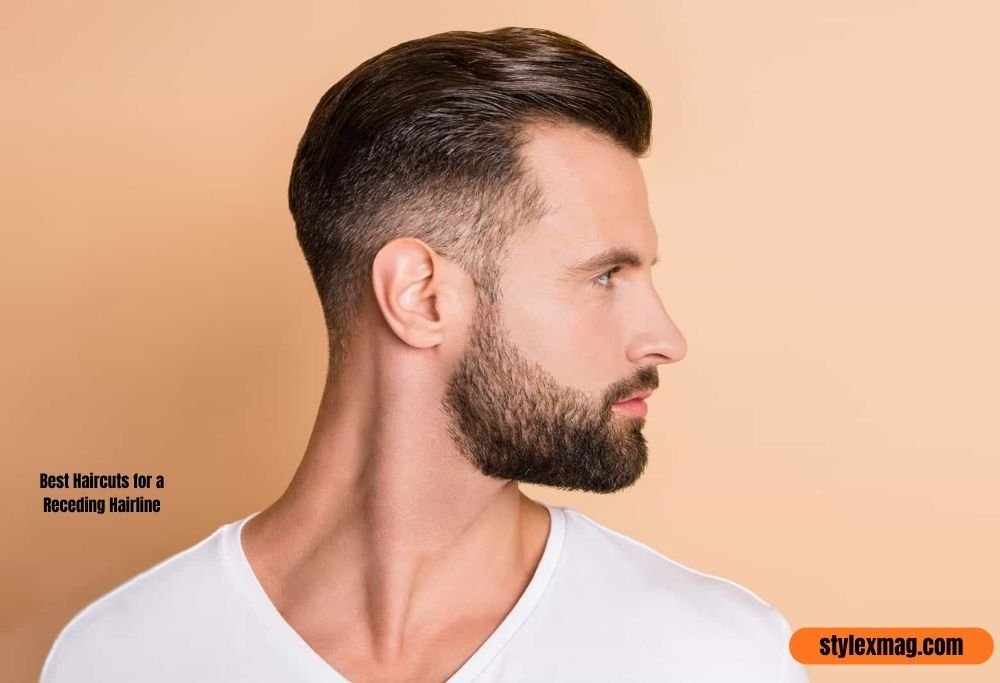
Hairstyles for men with a receding hairline usually work best when hair is directed forward, not up. The French crop, Caesar cut, and comb-over fade all push length toward the front, which covers recession without looking forced. A forward fringe, even a short one, adds real coverage at the hairline. Avoid pulling hair straight back if your front is thinning, since that exposes the exact area you want to hide.
Best Styles for Fine, Flat Hair
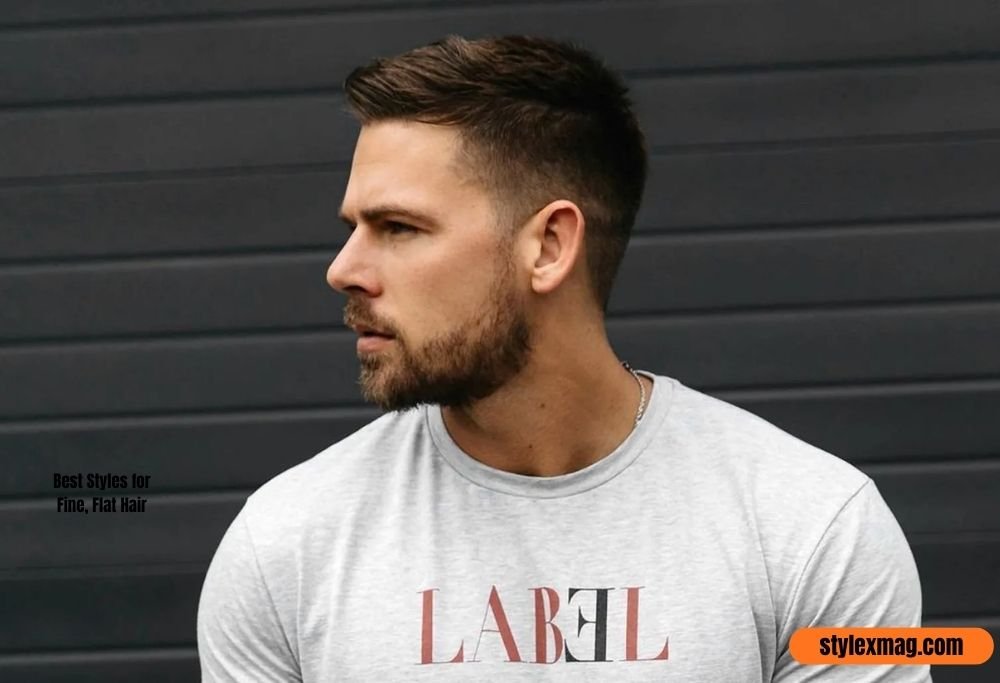
For truly fine hair that lies flat no matter what, texture matters more than length. The textured crop, layered crop, and messy textured top all rely on broken-up layers rather than long strands. These are strong haircuts that create the appearance of density because uneven texture catches light differently across the head, which tricks the eye into seeing more volume than is actually there.
Read More: Shaggy Haircuts for Men: 25 Best Styles & Barber Tips for 2026
Best Haircuts by Face Shape
Face shape changes which cuts look most balanced. The table below matches common face shapes to strong options from this list, including a note on hairstyles for triangle face shape men, since a triangle-shaped jaw needs extra width and softness up top to balance a narrower forehead.
| Face Shape | Recommended Cuts | Why It Works |
| Oval | Textured Crop, Classic Taper, Ivy League | Oval faces suit almost any length and balance well with texture |
| Round | Angular Fringe, Faux Hawk Fade, Pompadour | Height and angles add structure that softens roundness |
| Square | Buzz Cut, High and Tight, Skin Fade with Textured Crop | Sharp sides match a strong jawline |
| Triangle | Short Pompadour, Textured Side Sweep, Layered Crop | Volume on top balances a narrower forehead against a wider jaw, a common ask for triangle face shape hairstyle male searches |
| Heart | French Crop, Side Part with Low Taper | A fuller front balances a narrower chin |
| Diamond | Slicked Back with Undercut, Disconnected Undercut | Structured tops match strong cheekbones |
Men researching a best haircut for triangle face men should focus on cuts that widen the upper half without adding bulk near the jaw. The short pompadour and textured side sweep both do this well, since they build height and width above the eyes rather than around the chin.
Short vs. Medium Hair for Thin Straight Hair
Short hair almost always wins for thin straight hair men, and the reason is simple physics. Hair under two inches has less weight pulling down on each strand, so it holds lift far longer through the day. Medium length, from three to five inches, can still work, but only when paired with heavy texturizing and a strong blow-drying routine.
Without that extra effort, medium hair on fine strands tends to look flat and stringy by early afternoon. If low maintenance matters to you, short is the safer, more reliable choice.
How to Style Thin Straight Hair for More Volume
A great cut only creates the potential for volume. Good hair styling habits are what actually make that volume show up every single day. This section covers exactly how to style thin, straight hair so it looks fuller from morning until night.
Small changes in technique make a bigger difference than any single product. The order you dry, lift, and finish hair matters just as much as what you put in it.
Best Hair Length for Creating Volume
The sweet spot for volume-boosting hairstyles for men with fine hair sits between one and three inches. This range is long enough to style in different directions but short enough to resist collapsing under its own weight. Going past three inches usually means volume drops fast by midday, no matter how good the underlying cut is.
Blow-Drying Techniques for Fuller-Looking Hair
Good blow drying technique can add real, visible lift. Dry hair in the opposite direction from how it naturally falls. Use medium heat and aim the nozzle right at the roots. Lift small sections with your fingers as you dry, rather than letting hair fall flat under the airflow.
Always finish drying completely before adding any product, since product on damp hair usually flattens strands instead of lifting them.
How to Add Texture Without Weighing Hair Down
Hair texture comes from breaking up flat sections, not from piling on product. Point cutting during the haircut does most of this work already. At home, a small amount of sea salt spray on damp hair before drying adds grip without heaviness. Finish with a light dusting of texture powder at the roots for extra hold that lasts through a full day.
Best Hair Products for Thin Straight Hair
Product choice can make or break even a great haircut. Heavy, oil-based products weigh fine strands down and make the scalp more visible, which works directly against everything a good cut is trying to achieve.
The right products for fine straight hair men are almost always light, matte, and used sparingly. A little goes a long way, and more product rarely means more volume.
Lightweight Styling Products for Fine Hair
Lightweight styling products work best because they add hold without adding weight. Matte clay gives medium hold with zero shine, which suits textured crops and quiffs well. Texture powder adds grip at the roots and lasts six to eight hours.
Volumizing mousse, used on damp hair before drying, gives strands a stronger base to hold shape all day. A light, water-based cream suits side parts and slicked-back looks that need soft movement rather than a stiff hold.
| Product | Best For | Hold Level |
| Matte clay | Textured crops, quiffs, brush ups | Medium |
| Texture powder | Root lift, all-day grip | Light to medium |
| Volumizing mousse | Blow-dry prep on damp hair | Light |
| Water-based cream | Side parts, slicked-back styles | Light |
| Sea salt spray | Messy, textured finishes | Light |
Products to Avoid for Thin Hair
Oil-based pomades, thick gels, and high-shine waxes all cause the same problem. They weigh strands down and make the scalp show through more, not less. Gel is often the worst offender, since it clumps strands together in a way that highlights sparse patches rather than hiding them. If a product feels heavy or greasy in your hand before you even apply it, it is probably the wrong choice for fine hair.
Haircuts and Styling Mistakes to Avoid with Thin Straight Hair
Knowing what to avoid saves just as many bad haircuts as knowing what actually works. Over-layering removes too much weight from hair that already lacks density, which causes the scalp to peek through in a way that looks worse, not better. Growing hair past three inches without heavy texturizing invites gravity to pull everything flat, revealing sparse spots that a shorter cut would have hidden.
High-shine products create a wet, plastered look that shows scalp through the hair rather than covering it. A comb-over without a fade underneath is perhaps the biggest mistake of all, since it draws far more attention to thinning than the thinning itself ever would. A modern comb-over only works when it is paired with a deliberate fade that makes the whole style look intentional.
What to Tell Your Barber About Thin Straight Hair
Clear communication with your barber matters more for fine hair than almost any other hair type. Point to the exact areas where you are thinning, whether that is the front, crown, sides, or spread evenly across the scalp. Showing your barber directly is far more useful than trying to describe it in vague terms. Ask specifically for point cutting or texturizing on top, rather than a blunt cut, since blunt ends lie flat and dead against thin strands.
Always specify that the sides should be blended, not hard-lined, since a sharp line between lengths draws attention to every density change underneath it. Give an exact number whenever possible. Saying “a number 2 on the sides, fading into two inches on top” leaves no room for guesswork, while a vague request like “something short on the sides” rarely produces a great result on fine, thinning hair.
Frequently Asked Questions
What is the best haircut for men with thin straight hair?
The textured crop is usually the best overall choice. It keeps the top short, uses point-cut layers for texture, and pairs with a low or mid fade to hide density changes on the sides. It suits most face shapes and stays easy to manage day to day.
Is short hair better for thin straight hair?
Yes, in almost every case. Short hair holds its shape far better than long hair because there is less weight pulling each strand down. Short haircuts for thin hair typically look fuller and last longer through the day than anything grown past three or four inches.
What is the 3:2:1 rule for haircuts?
The 3:2:1 rule means keeping the hair longer on top and gradually shorter toward the sides and back. It creates balance, structure, and a fuller appearance.
Which hair cut is suitable for thin hair men?
Short, textured cuts like a textured crop, crew cut, buzz cut, or French crop work well for thin hair. They add texture and make hair look denser.
What is the best haircut for fine, straight, thin hair?
A textured crop or short quiff is ideal because added texture and volume can make fine, straight hair appear thicker. A low taper or fade can also create a clean shape.
Is thin hair better for short or long men?
Short hair is generally better for thin hair because it reduces weight and helps create a fuller, thicker appearance. Longer styles can make fine hair look flatter and thinner.
Final Thoughts
Thin, straight hair is not a limitation. It is simply a texture that needs the right approach. Short length, smart texture, and careful blending solve most of the problems fine hair creates on its own. Any of the 25 cuts in this guide can work well, as long as it matches your hairline, face shape, and how much daily styling effort you actually want to put in.
Start with a clear conversation with your barber. Point to your thinning areas, ask for point cutting instead of blunt cutting, and choose a fade or taper that blends smoothly rather than cutting a hard line. Pair that cut with the right lightweight products, and thin, straight hair can look full, sharp, and completely intentional every single day in 2026.
StyleXMag Editorial Team shares the latest haircut and hairstyle ideas, from modern fades and comb overs to curly, long, slick-back, and face-shape styles. Our goal is to make finding your next look simple, useful, and inspiring.